Avoid These Common Mistakes in Florida Garden Landscaping


Understanding Florida's Unique Climate
Florida's climate is characterized by its warm temperatures and high humidity, making it a unique environment for gardening. Understanding this climate is crucial for successful landscaping. Many gardeners mistakenly assume that all plants can thrive here, but the intense sun and frequent rain can be challenging. Choosing plants that are native or well-suited to this climate can make a significant difference.
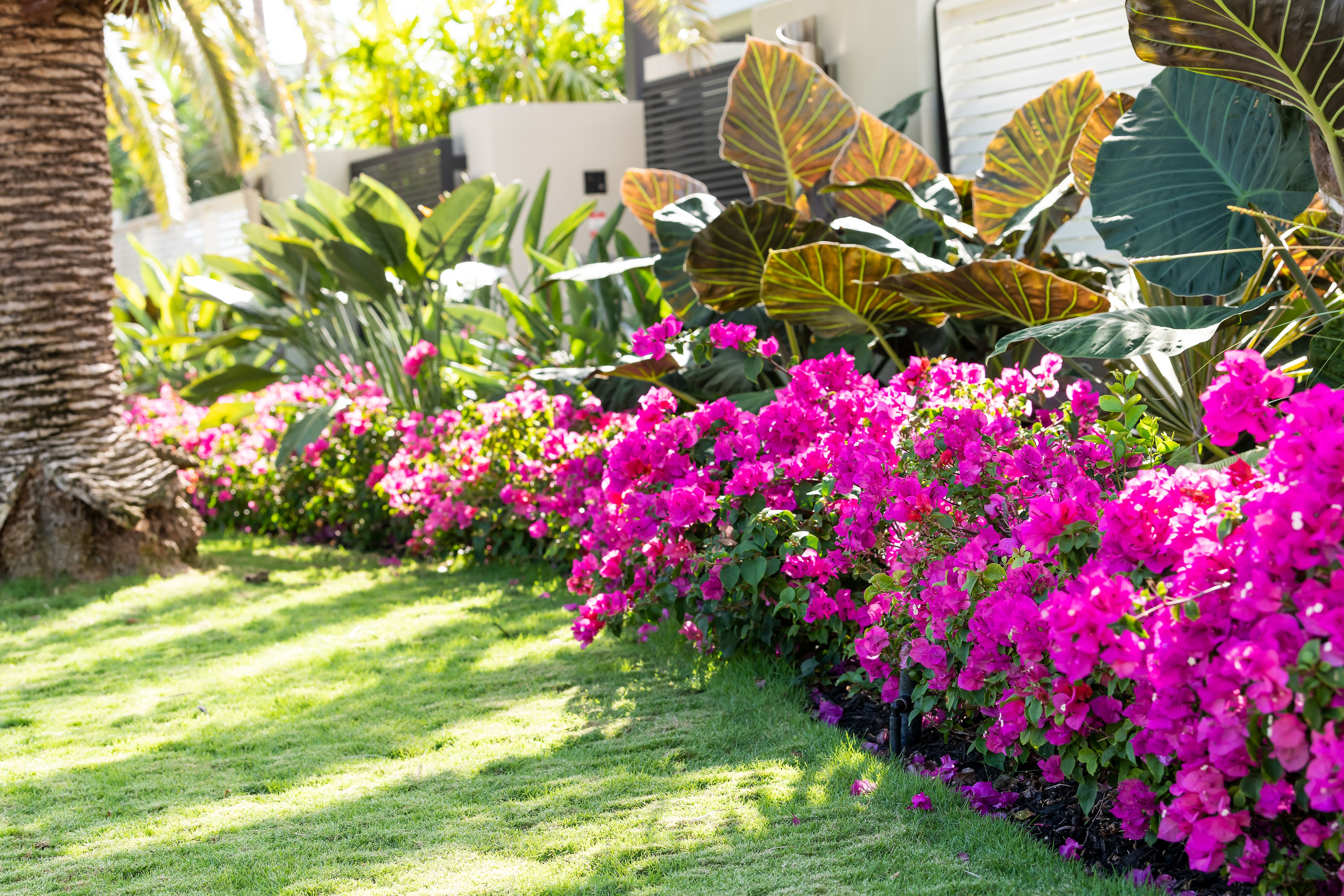
One common mistake is underestimating the power of the sun. Florida's sun can be harsh, especially in the summer months. This can lead to scorched leaves and stressed plants. To avoid this, consider incorporating shade-tolerant plants and providing adequate shade structures in your garden design.
Proper Soil Management
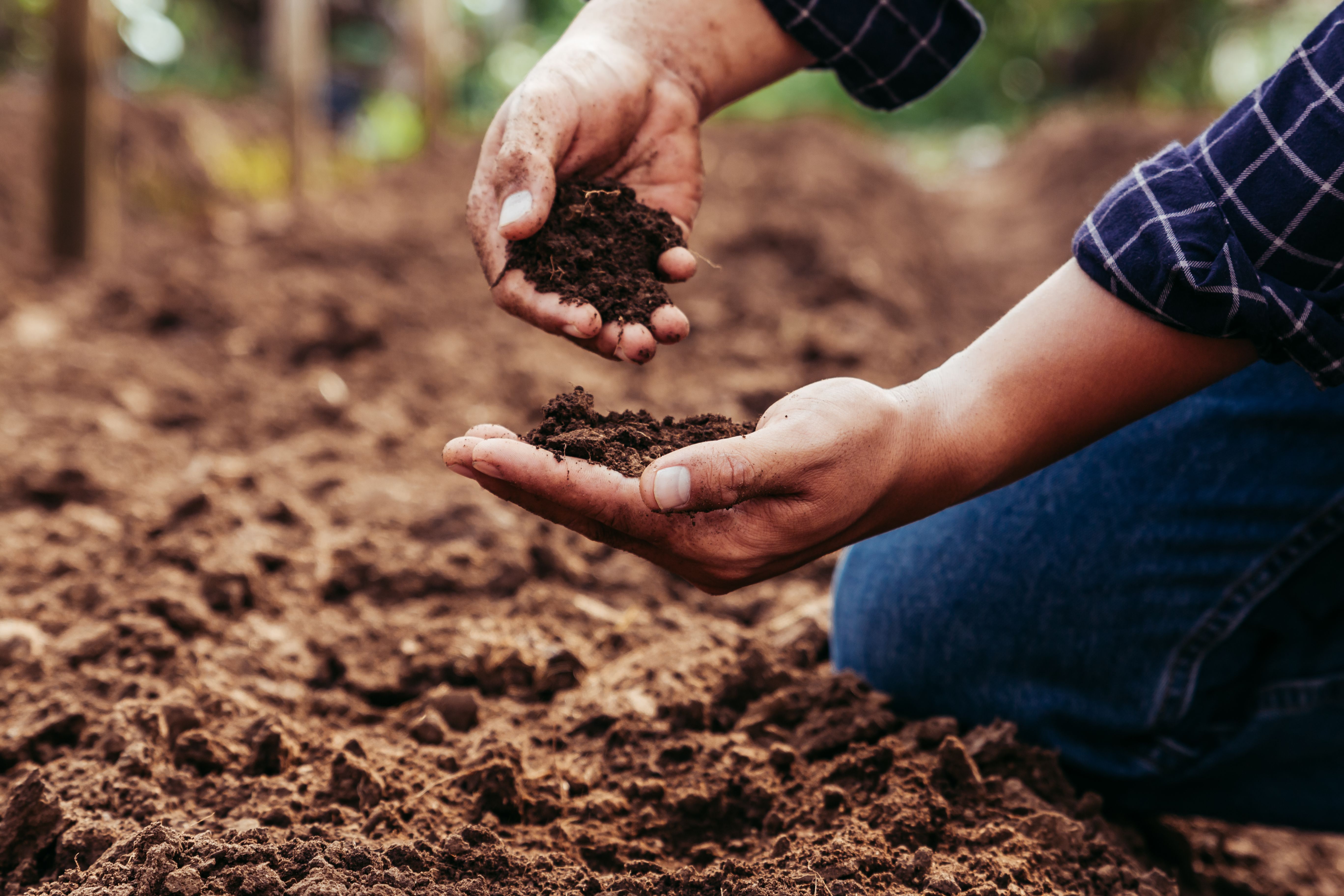
Another critical aspect of Florida gardening is soil management. The state's sandy soil can be a challenge for many plants. It's essential to enrich the soil with organic matter to improve its nutrient content and water retention. Failing to do so can result in poor plant growth and wasted resources.
Regularly testing your soil can help you understand its composition and what amendments might be necessary. Consider using compost and mulch to enhance soil quality. This can also help in retaining moisture, which is vital during the hotter months.
Choosing the Right Plants
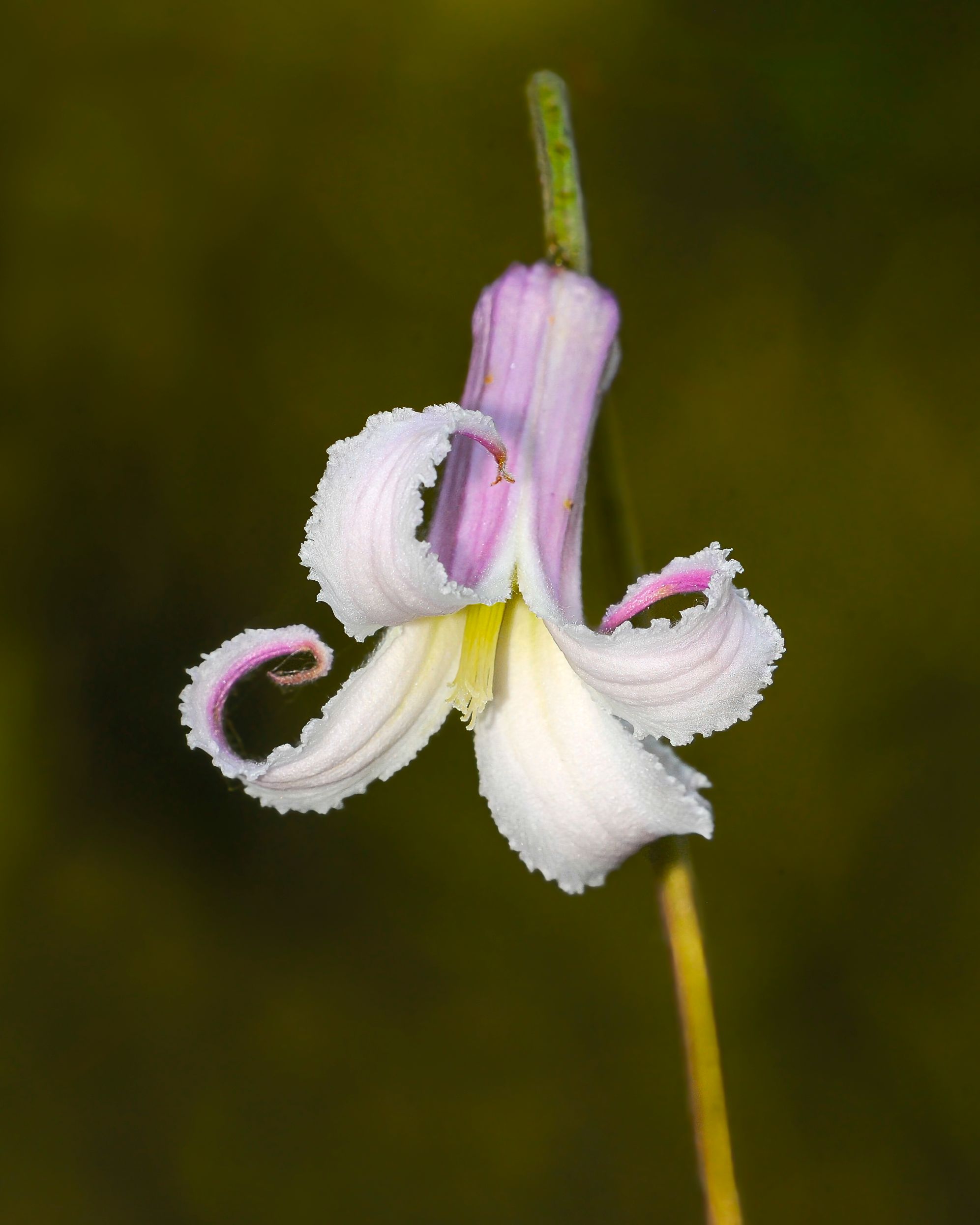
Selecting the right plants is crucial in Florida landscaping. Many gardeners make the mistake of choosing plants solely based on appearance, without considering their suitability for the local climate. Opt for drought-resistant and native plants that are adapted to Florida's conditions.
Incorporating a mix of perennials and annuals can ensure year-round color and interest in your garden. Be mindful of the specific needs of each plant, including sunlight, water, and space requirements.
Efficient Watering Techniques
Watering is a critical component of garden maintenance, and improper techniques can lead to water wastage and plant damage. Overwatering is a common mistake, leading to root rot and fungal diseases. It's important to water deeply but infrequently to encourage deep root growth.
Consider installing a drip irrigation system to conserve water and provide consistent moisture to your plants. This method can be more efficient and environmentally friendly compared to traditional sprinklers.
Regular Maintenance and Pest Control
Regular maintenance is essential to keep your Florida garden looking its best. Pruning, weeding, and monitoring for pests are all vital tasks. Neglecting these can lead to overgrown plants and infestations that can damage your landscape.
Implementing integrated pest management techniques can help control pests naturally. Encouraging beneficial insects and using organic pest control methods can be effective in maintaining a healthy garden ecosystem.
Creating a Balanced Design
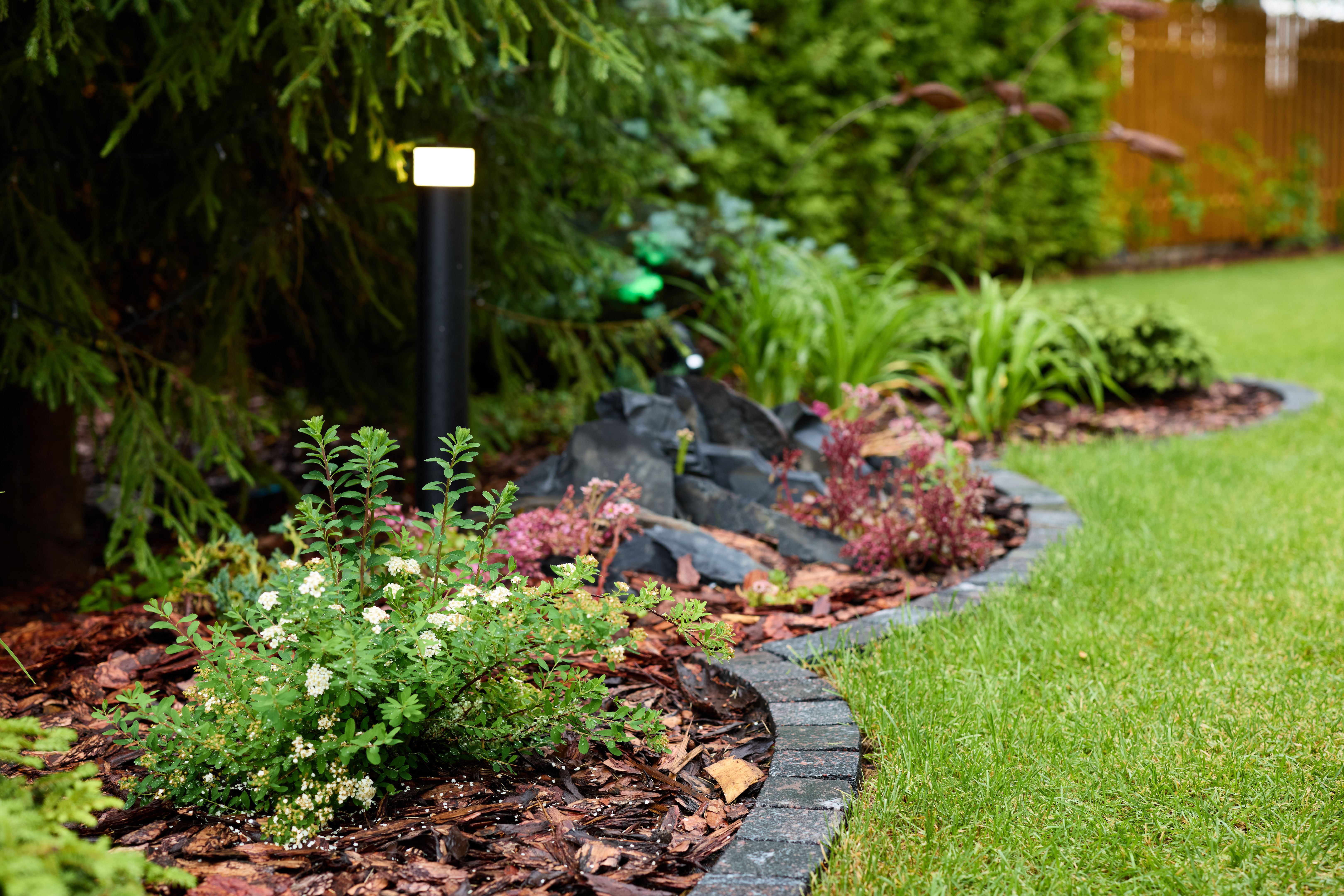
A well-designed garden should balance aesthetics with functionality. Avoid overcrowding by giving each plant enough space to grow and flourish. Consider the overall layout and how different elements complement each other.
Incorporating pathways, water features, and seating areas can enhance the usability and beauty of your garden. Thoughtful planning and design can transform your outdoor space into a serene retreat.