
Common Lawn Care Myths Debunked: Expert Insights for Better Lawn Health


Maintaining a pristine lawn is both an art and a science, yet numerous myths can lead homeowners astray. Understanding the truth about lawn care can help you achieve a healthier, more vibrant lawn. In this post, we'll debunk some common lawn care myths with expert insights.
Myth 1: Watering Daily is Essential
One of the most prevalent myths is the belief that lawns need daily watering. In reality, overwatering can be detrimental. Lawns typically require about 1 to 1.5 inches of water per week, including rainfall. It's more beneficial to water deeply and less frequently to encourage deep root growth.
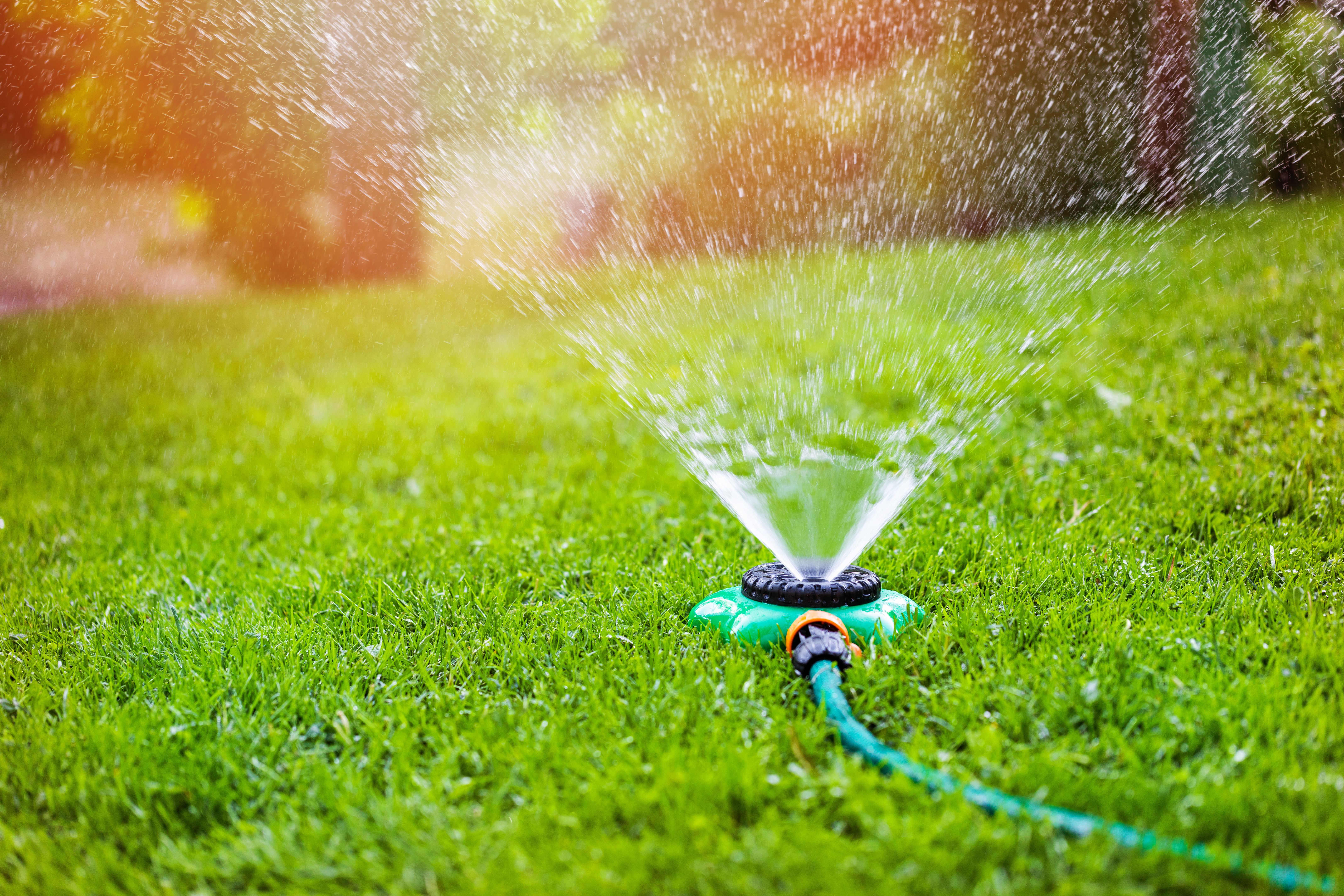
Watering in the morning is recommended to reduce evaporation and fungal diseases. Avoid watering in the evening, as this can lead to prolonged moisture on the grass blades, increasing the risk of disease.
Myth 2: Shorter Grass Means Less Mowing
Many homeowners think cutting grass shorter reduces mowing frequency. However, mowing too short can stress the grass, making it more susceptible to weeds and pests. It's best to follow the "one-third rule"—never cut more than one-third of the grass blade at a time.
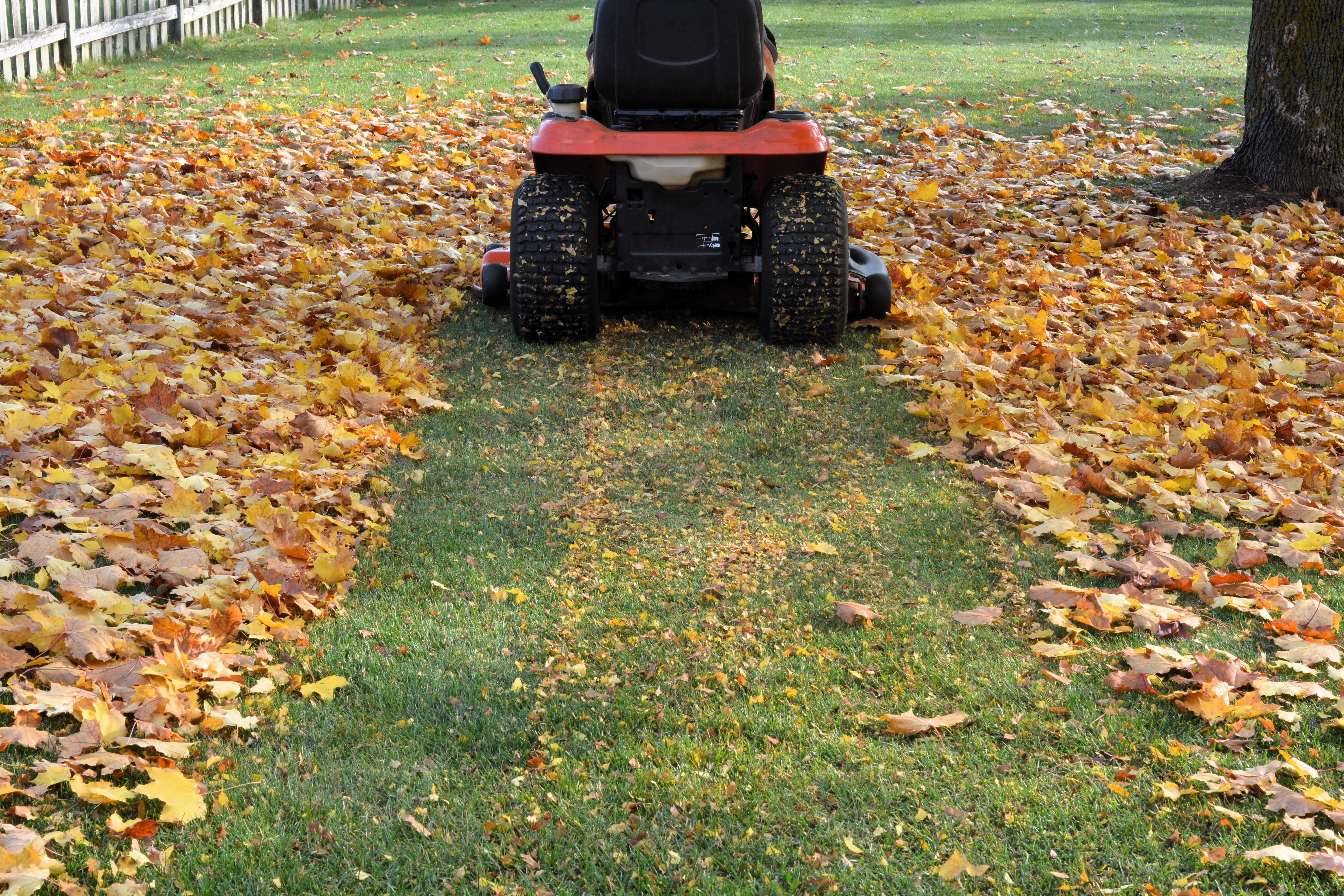
Maintaining a slightly longer lawn also helps shade the soil, retaining moisture and suppressing weed growth. Adjusting your mower to a higher setting can foster a healthier lawn.
Myth 3: Fertilizer is Only for Spring
Some believe that fertilizing in the spring is sufficient for the entire growing season. While spring fertilization kickstarts growth, lawns benefit from additional feedings. A balanced approach includes fertilizing in the fall to strengthen roots and prepare for winter dormancy.

Consider using a slow-release fertilizer to provide nutrients gradually. This ensures consistent growth and a greener lawn throughout the year.
Myth 4: Dethatching and Aerating are Unnecessary
Thatch, a layer of dead grass and roots, can build up and suffocate your lawn if not managed. Dethatching helps remove this layer, allowing water, nutrients, and air to reach the soil. Likewise, aerating the lawn alleviates soil compaction, promoting better root growth.
Both practices are essential for maintaining a healthy lawn and should be part of your regular lawn care routine.
Myth 5: All Weeds Require Chemical Treatment
While chemical herbicides can be effective, they are not always necessary. Many weeds can be controlled through proper mowing, watering, and fertilization techniques. Encouraging thick, healthy grass can naturally suppress weed growth.
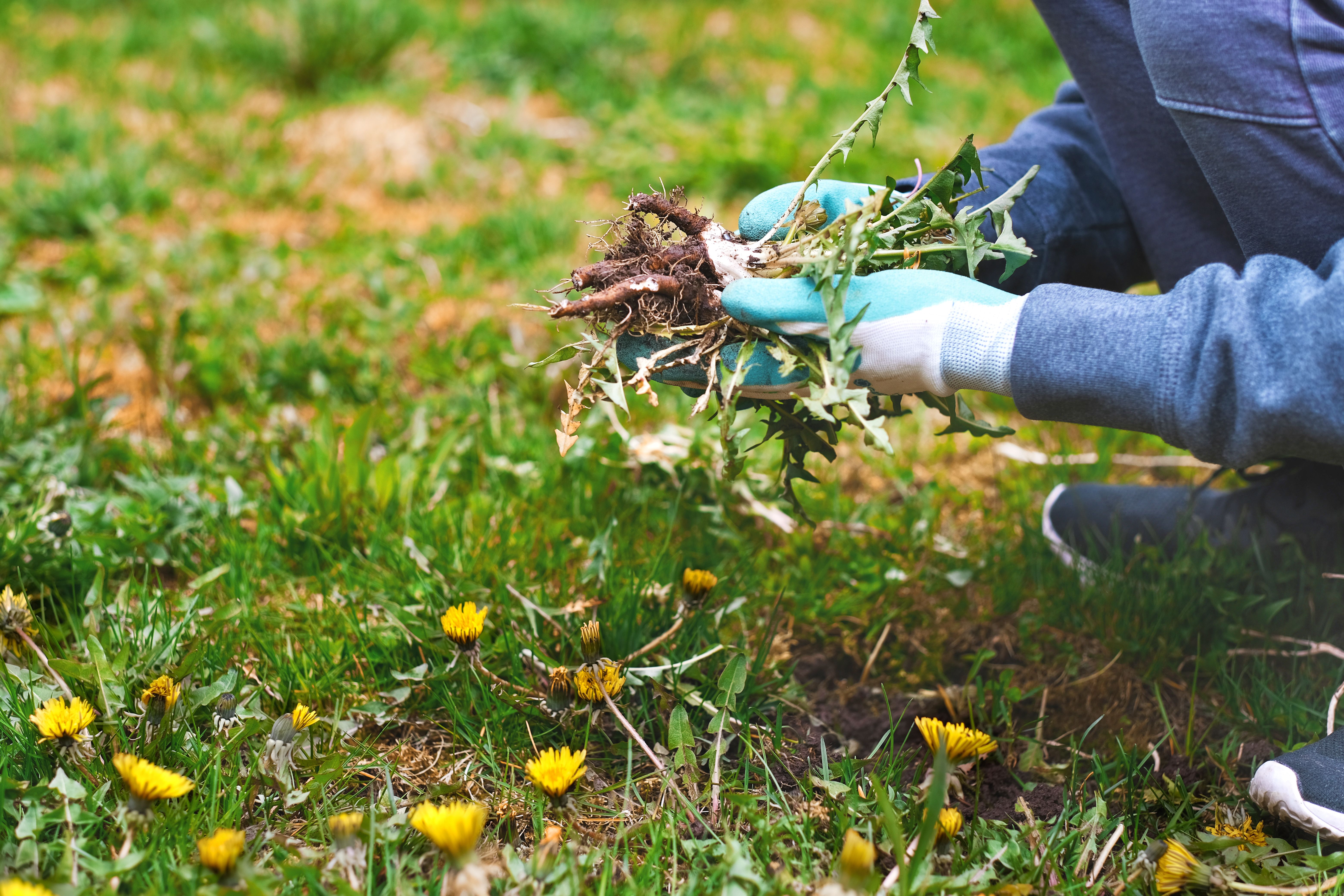
For persistent weeds, consider spot-treating with organic or less toxic options. This approach minimizes chemical use and supports a more eco-friendly lawn care regimen.
In conclusion, understanding and debunking these common lawn care myths can lead to a healthier, more resilient lawn. By adopting informed practices, homeowners can enjoy lush, green grass year-round.