
Common Lawn Care Myths Debunked by Experts


Introduction to Common Lawn Care Myths
Maintaining a lush, green lawn is a goal for many homeowners. However, a myriad of myths and misconceptions can lead to improper care practices. In this post, we will debunk some of the most common lawn care myths with insights from experts.
Myth 1: Watering Daily is Essential
One of the most pervasive myths is that lawns need to be watered daily. In reality, overwatering can harm your grass. Experts recommend deep, infrequent watering to encourage root growth and drought resistance. Ideally, you should water your lawn once or twice a week, providing about an inch of water each time.
Signs of Overwatering
Look for these signs to determine if you're overwatering:
- Spongy or soft soil
- Yellowing grass
- Increased weed growth
Myth 2: Shorter Grass is Healthier
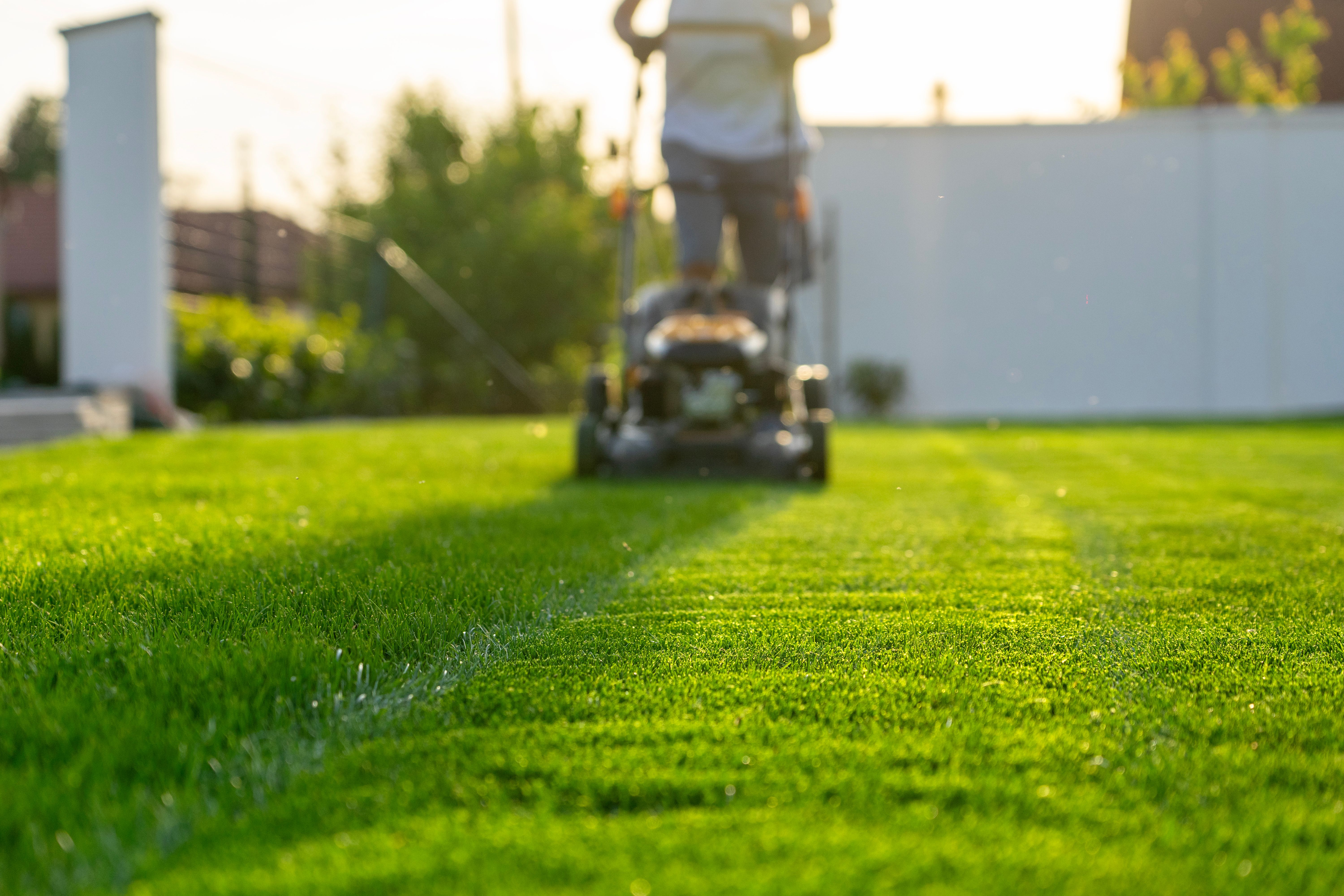
Many believe that cutting grass shorter means less frequent mowing. However, cutting too short can stress the grass and lead to a weakened lawn. Experts advise maintaining a grass height of about 3 inches for most species, as this height promotes deeper roots and shades out weeds.
Benefits of Proper Mowing Height
Maintaining the correct mowing height can:
- Promote healthier root systems
- Reduce weed proliferation
- Enhance the lawn's resilience to drought
Myth 3: Fertilizing Frequently is Better
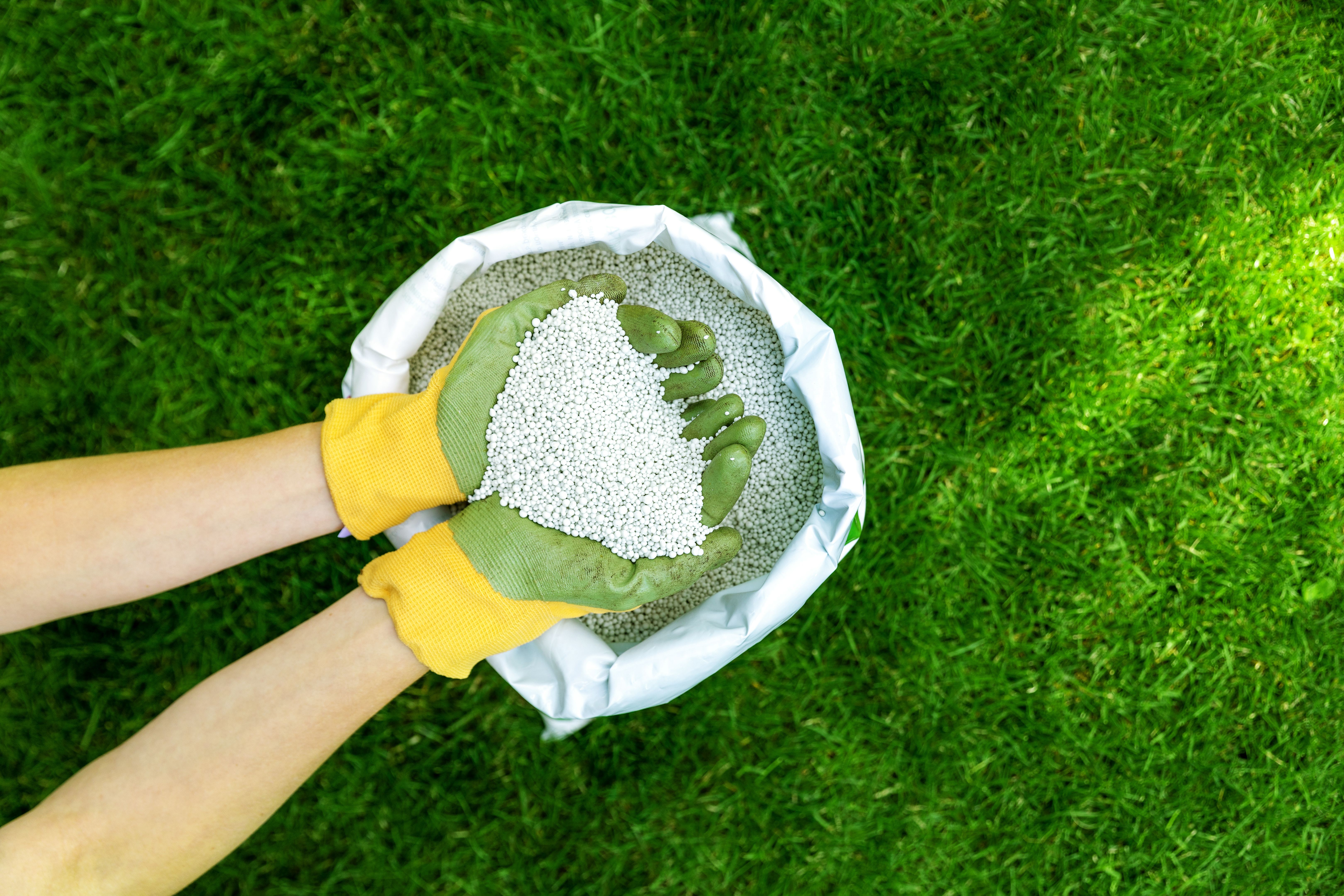
Frequent fertilization might seem like the key to a healthy lawn, but it can lead to nutrient imbalances and environmental harm. Lawn care experts suggest fertilizing just a few times a year, using a slow-release fertilizer to ensure steady, sustained growth. Over-fertilization can cause more harm than good, leading to a buildup of thatch and increased disease risk.
Optimal Fertilization Schedule
For best results, follow this fertilization schedule:
- Early spring: To kickstart growth
- Late spring: To maintain health during the growing season
- Fall: To prepare for winter dormancy
Myth 4: All Weeds Are Bad
While weeds are often seen as a nuisance, not all are detrimental to your lawn. Some weeds can improve soil health or provide habitat for beneficial insects. It's crucial to identify and control only those that threaten your grass's health, like crabgrass or dandelions.
Managing Weeds Effectively
Use a targeted approach that includes:
- Manual removal for isolated weeds
- Pre-emergent herbicides for widespread issues
- Maintaining a healthy lawn to naturally suppress weed growth
By understanding these common lawn care myths and following expert advice, you can cultivate a thriving, beautiful lawn without falling prey to misconceptions.