Common Misconceptions About Florida Gardening: What You Need to Know

Gardening in Florida comes with its unique set of challenges and opportunities. While the Sunshine State offers a year-round growing season, misconceptions can lead to mistakes. Understanding these common misconceptions can help you cultivate a thriving garden.
Misconception 1: Florida's Climate is Perfect for All Plants
Many assume that Florida's warm climate means any plant can thrive. However, the state has diverse growing zones, ranging from subtropical in the south to temperate in the north. This diversity means that not all plants will grow equally well across the state.
It's crucial to choose plants suited to your specific region. For instance, tropical plants may not survive in North Florida's cooler winters. Researching and selecting the appropriate plants for your area will set the foundation for a successful garden.
Misconception 2: You Don't Need to Worry About Frost
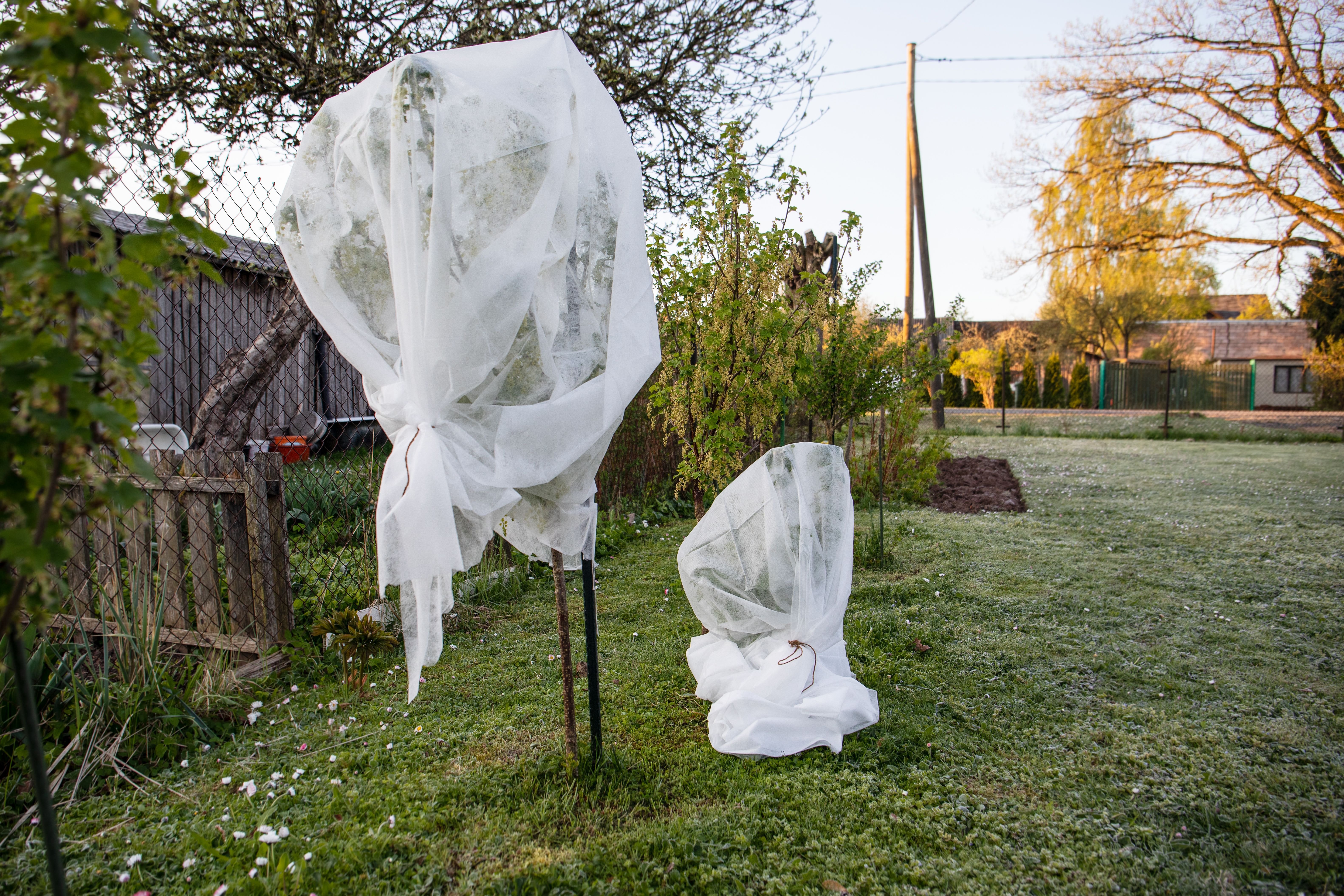
While Florida is warm most of the year, frost can still be a concern, especially in the northern regions. Gardeners should be prepared for occasional cold snaps that can damage sensitive plants.
To protect your garden, consider using frost cloths or bringing potted plants indoors during cold spells. Being prepared for unexpected temperature drops can save your plants from frost damage.
Protecting Against Frost
- Monitor weather forecasts regularly.
- Use mulch to insulate plant roots.
- Choose frost-resistant plant varieties.
Misconception 3: Sandy Soil is a Curse
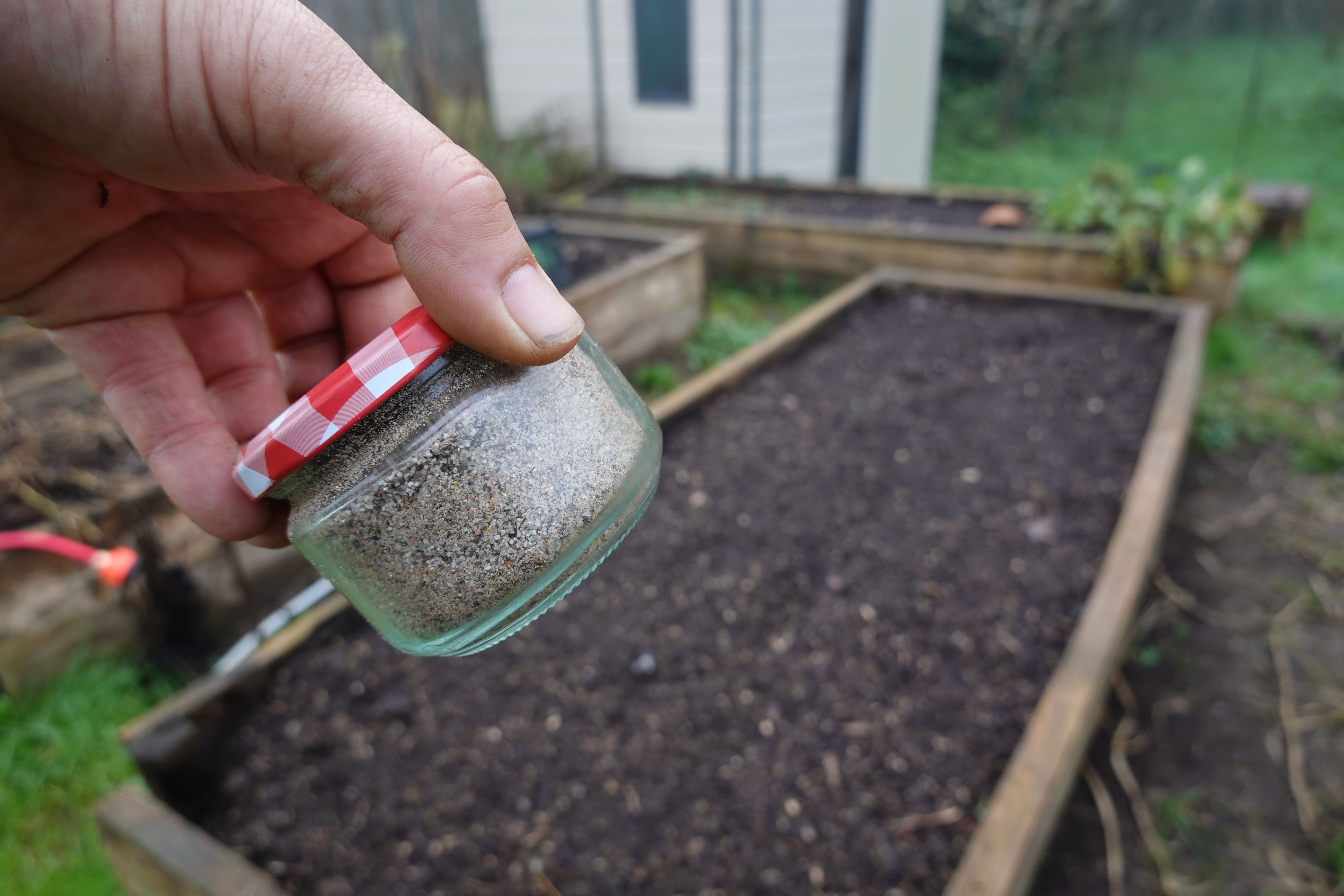
Florida's sandy soil is often seen as a hindrance to gardening, but it can be quite beneficial. Sandy soil drains well, which is ideal for plants that dislike wet roots. However, it does require amendments to improve nutrient retention.
Adding organic matter like compost can enhance the soil's fertility and moisture retention capabilities. Over time, this will create a more hospitable environment for a wide range of plants.
Improving Sandy Soil
- Incorporate compost and organic matter regularly.
- Use slow-release fertilizers to provide nutrients over time.
- Consider cover crops to enhance soil structure.
Misconception 4: Native Plants Are Always the Best Choice
While native plants are well-adapted to local conditions, they are not always the best choice for every garden. Factors like garden design, personal preferences, and specific plant needs should also be considered.
Native plants often require less maintenance and can attract local wildlife, making them an excellent option for low-maintenance gardens. However, a mix of native and non-native plants can provide variety and interest in your garden space.
By understanding these common misconceptions and adapting your gardening practices accordingly, you can enjoy the full potential of Florida's diverse gardening landscape.