
Creating a Sustainable Garden: Current Trends in Eco-Friendly Landscaping


Understanding Sustainable Gardening
In recent years, the concept of sustainable gardening has gained significant traction among homeowners and landscape enthusiasts. This approach focuses on creating gardens that are not only beautiful but also environmentally friendly. By integrating practices that conserve resources and support biodiversity, sustainable gardening contributes to a healthier planet.
Native Plants: The Backbone of Eco-Friendly Landscapes
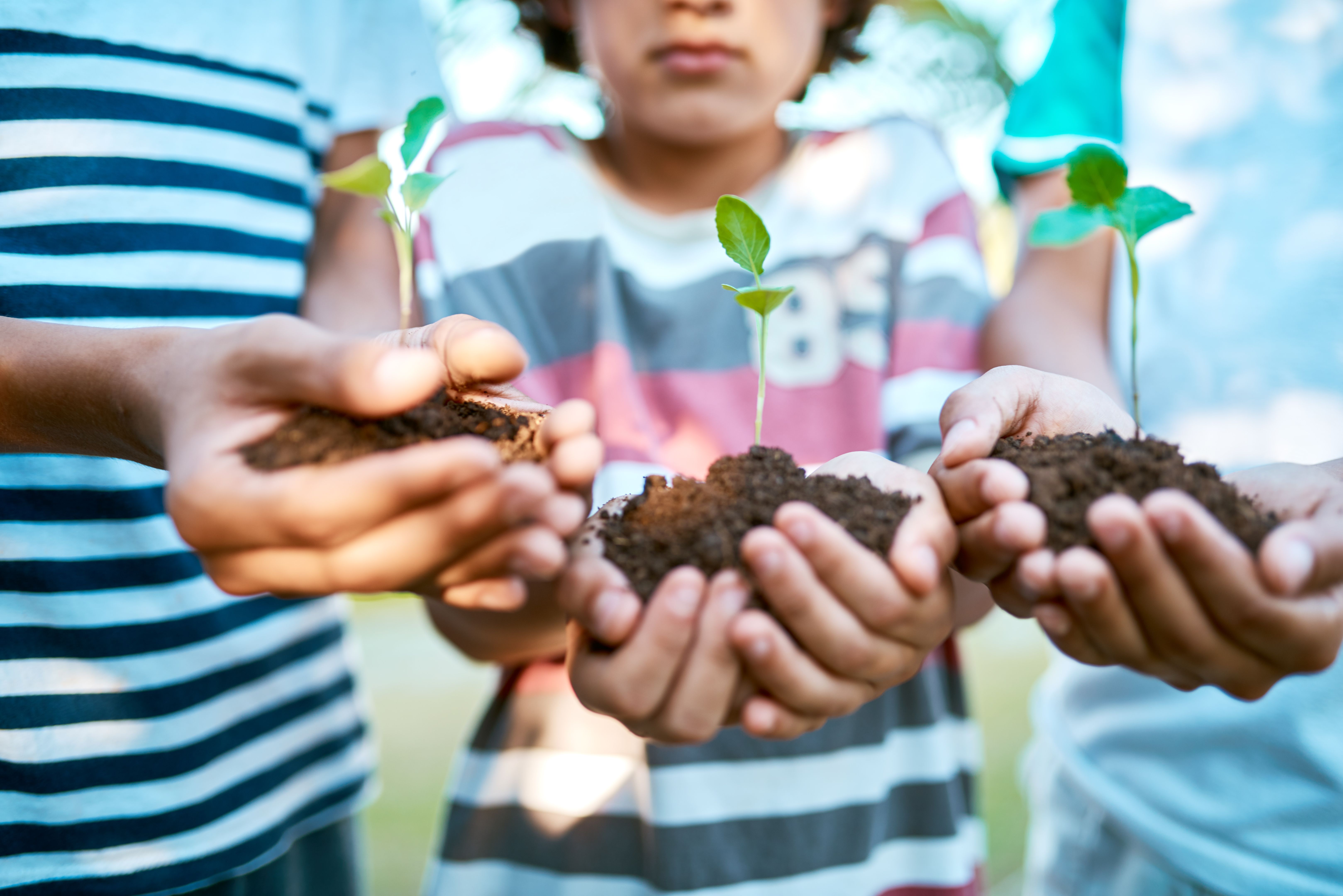
One of the key trends in sustainable gardening is the use of native plants. These plants are adapted to the local climate and soil conditions, requiring less water and maintenance. They also provide essential habitats for local wildlife, promoting biodiversity. Incorporating native plants can significantly reduce the need for chemical fertilizers and pesticides.
Water Conservation Techniques
Water conservation is a critical aspect of sustainable gardening. With increasing concerns about water scarcity, gardeners are adopting techniques to minimize water usage. Some effective strategies include:
- Installing drip irrigation systems
- Using rain barrels to collect rainwater
- Implementing xeriscaping principles

Composting: Turning Waste into Nutrients
Composting is another trend gaining popularity in eco-friendly landscaping. By recycling organic waste such as kitchen scraps and yard debris, gardeners can create nutrient-rich compost. This natural fertilizer improves soil health, reduces landfill waste, and decreases the need for synthetic fertilizers.
Incorporating Pollinator-Friendly Features
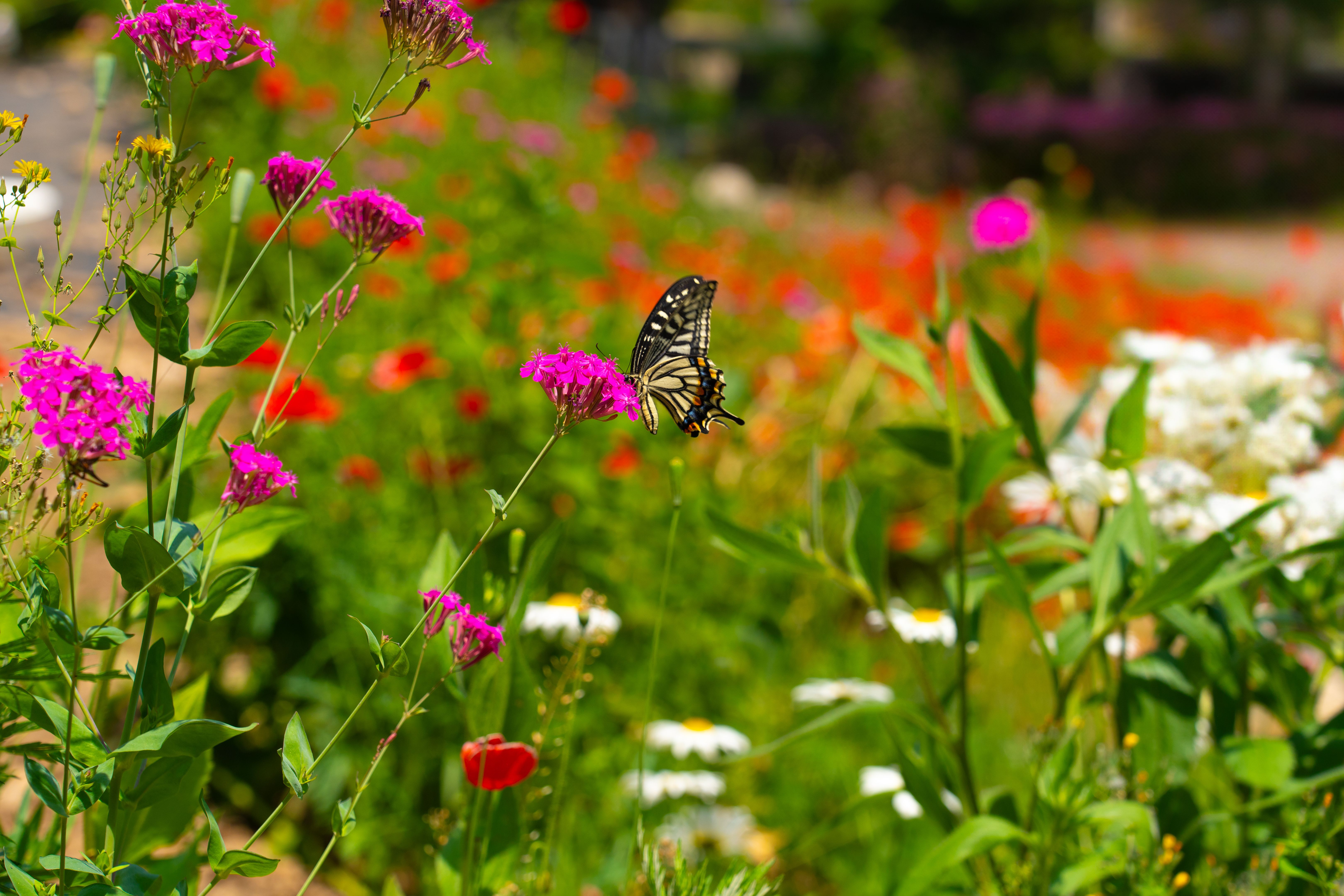
Pollinators like bees, butterflies, and birds play a vital role in maintaining healthy ecosystems. Creating pollinator-friendly gardens involves planting a diverse range of flowering plants that bloom at different times of the year. This provides a continuous food source for pollinators and supports their populations.
Edible Landscaping: A Delicious Trend
Edible landscaping is an innovative approach to sustainable gardening, blending aesthetics with functionality. By incorporating fruit trees, vegetable plants, and herbs into the landscape, gardeners can enjoy fresh produce while reducing their carbon footprint. This practice also encourages a connection to the food source and promotes healthier eating habits.
Utilizing Renewable Materials
Another essential element of sustainable gardening is the use of renewable materials. Opting for recycled or locally sourced materials for garden structures, pathways, and furniture can significantly reduce environmental impact. This approach supports the local economy and minimizes the carbon footprint associated with transporting materials.

Conclusion: Embracing Sustainable Practices
Creating a sustainable garden is a rewarding endeavor that benefits both the environment and the gardener. By incorporating current trends such as native plants, water conservation, composting, and pollinator-friendly features, individuals can design landscapes that are not only beautiful but also environmentally responsible. Embracing these practices is a step towards a more sustainable future.