
DIY Garden Design: Transform Your Space with These Expert Tips


Transforming your garden into a beautiful, functional space doesn’t have to be a daunting task. With a few expert tips and a bit of creativity, you can design a garden that reflects your personal style and meets your needs. Whether you have a large backyard or a small urban patio, these DIY garden design tips will help you create a space you’ll love.
Start with a Plan
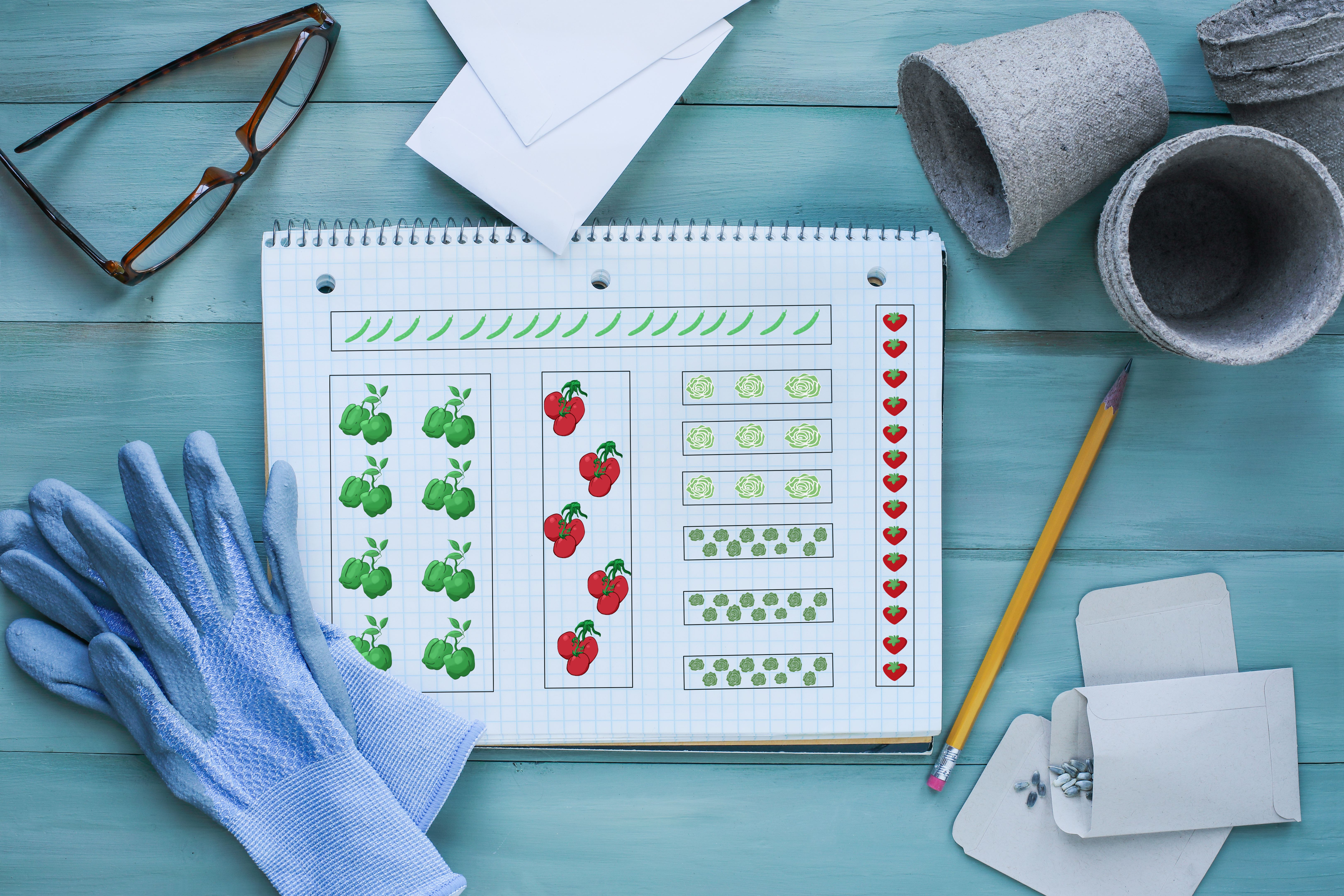
Before you start digging or planting, it's essential to have a clear plan. Begin by assessing your space and determining your goals. Do you want a vegetable garden, a flower paradise, or a relaxing retreat? Consider the size, shape, and existing features of your garden.
Sketch out your ideas on paper, noting where you want to place plants, pathways, and other features. This will give you a visual guide to work from and help you make informed decisions about plant choices and layout.
Choose the Right Plants
Selecting the right plants is crucial for a successful garden design. Consider the climate, soil type, and sunlight exposure of your garden. Research plants that thrive in your area and choose a mix of perennials and annuals for year-round interest.
Think about the color palette you want to achieve. Harmonize colors for a calming effect or use contrasting colors for a vibrant look. Make sure to include a variety of heights and textures to add depth and dimension to your garden.
Create Functional Areas
Dividing your garden into functional areas can enhance both its aesthetics and usability. Consider creating distinct zones for dining, relaxing, and gardening. Use pathways, hedges, or low walls to define these spaces.
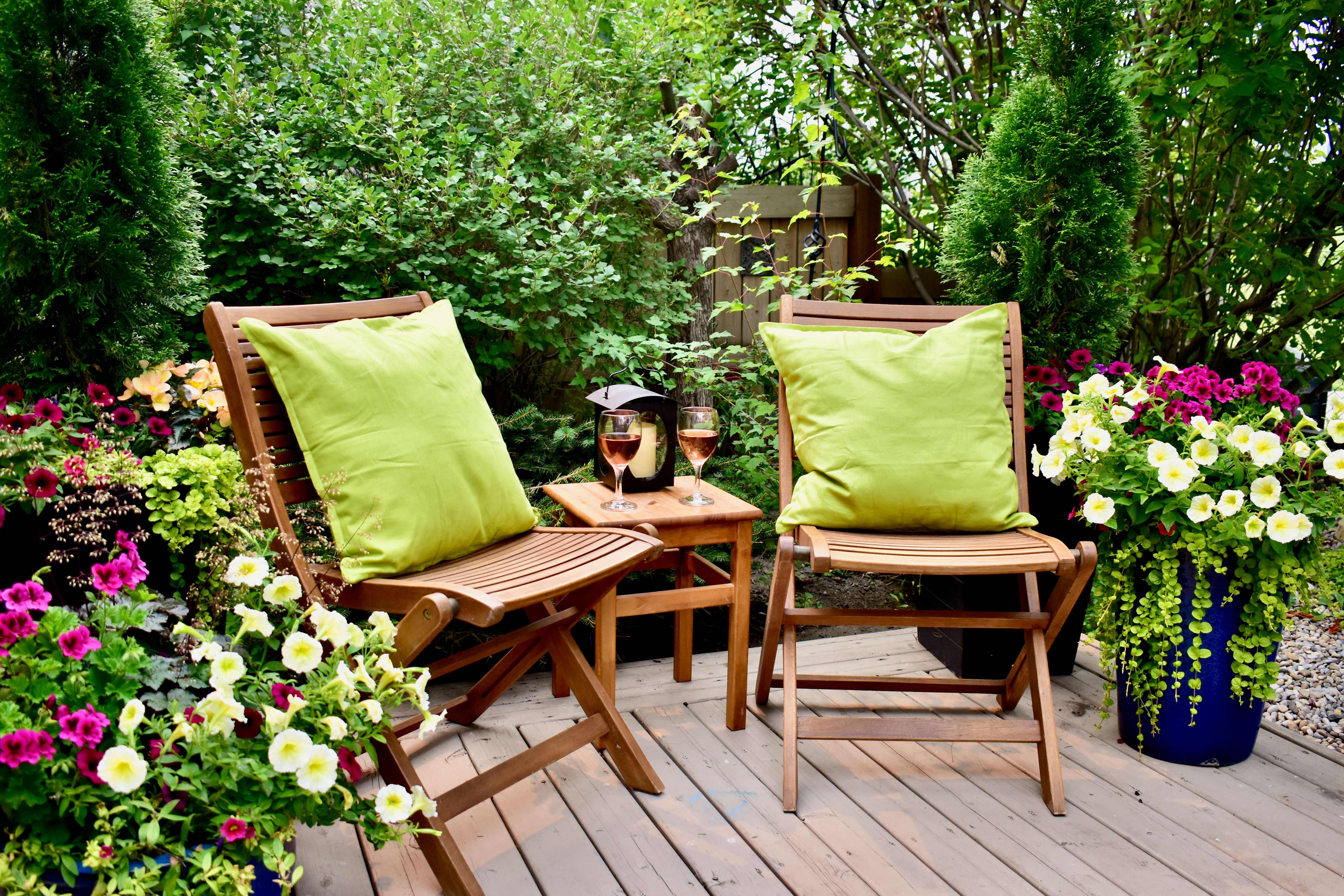
Adding a seating area with comfortable furniture can turn your garden into an inviting outdoor living space. Consider incorporating elements like a fire pit or water feature to add interest and ambiance.
Incorporate Hardscaping
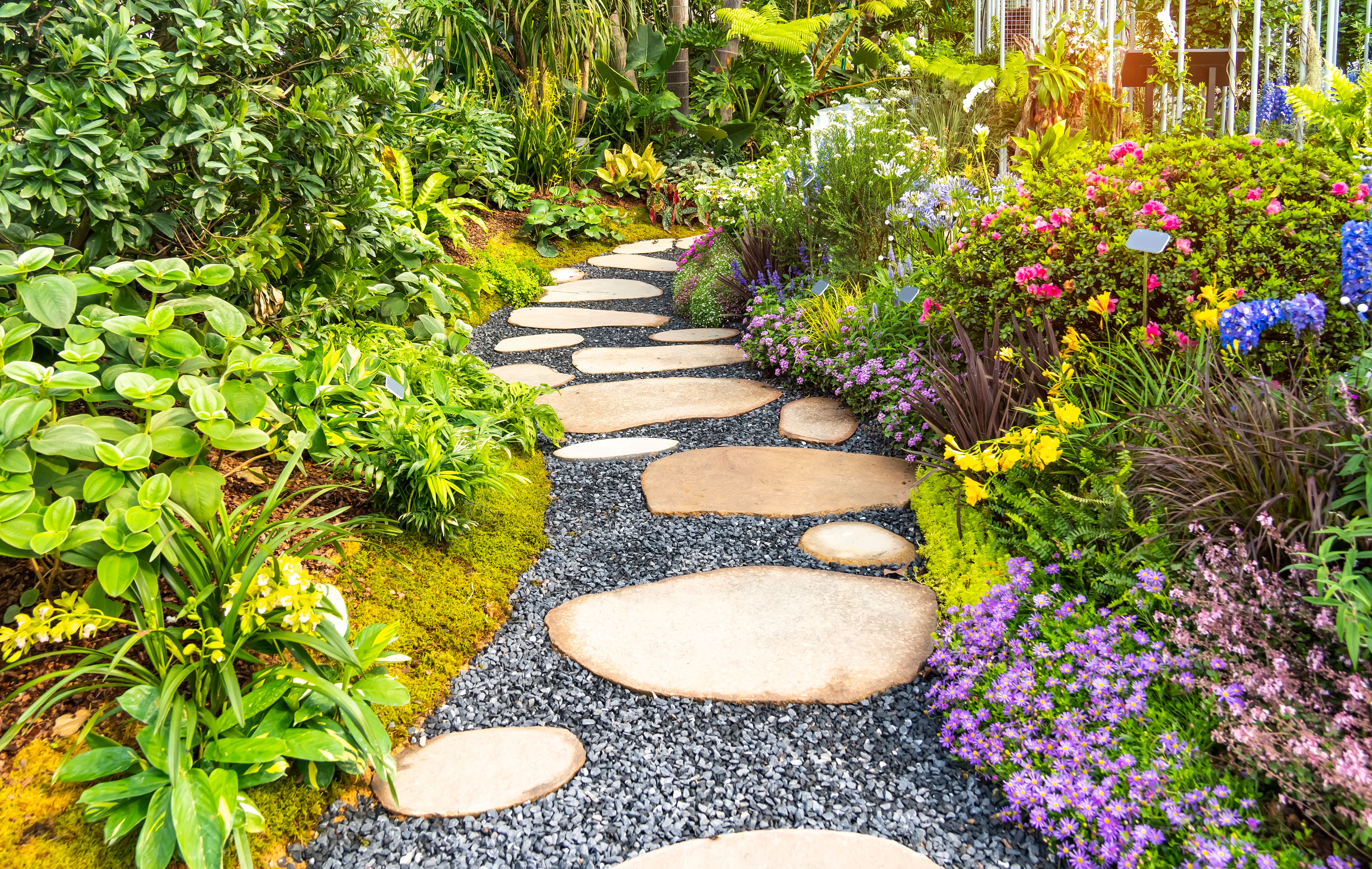
Hardscaping elements like patios, paths, and walls can add structure and functionality to your garden. Choose materials that complement your home’s exterior and the natural environment. Stone, brick, and wood are popular choices that add rustic charm and durability.
When planning hardscaping, ensure that it integrates well with the plants and overall design. Curved pathways can create a sense of movement, while straight lines offer a more formal look.
Maintain Your Garden
Once your garden is designed and planted, regular maintenance is key to keeping it looking its best. Establish a routine for watering, pruning, and weeding. Mulching can help retain moisture and suppress weeds, making maintenance easier.
Consider investing in a drip irrigation system for efficient watering. Regularly check for pests and diseases, and address any issues promptly to ensure your plants remain healthy.
Add Personal Touches
Your garden should reflect your personality. Add personal touches with garden art, unique planters, or homemade decorations. Consider incorporating a theme or style that resonates with you, such as rustic, modern, or cottage garden.
Lighting can also enhance your garden, allowing you to enjoy it after dark. Solar lights, lanterns, or string lights can create a magical atmosphere and highlight key features.
With these expert tips, you can transform your garden into a stunning outdoor oasis. Embrace the process and enjoy the journey as you bring your vision to life.