
DIY Sustainable Garden Projects: Step-by-Step Guides


Creating a Sustainable Garden
Incorporating sustainability into your garden is a rewarding endeavor that benefits both the environment and your well-being. By making eco-friendly choices, you can cultivate a lush, thriving garden while conserving resources. In this guide, we'll explore various DIY sustainable garden projects that are both simple and effective.

Composting: Turning Waste into Nutrients
Composting is an excellent way to recycle kitchen scraps and yard waste into nutrient-rich soil. To start, set up a compost bin in a shaded area of your garden. Ensure it's easily accessible and has good drainage. Begin layering green materials like fruit peels and grass clippings with brown materials like dry leaves and twigs.
Turn the pile regularly to aerate it and speed up decomposition. Within a few months, you'll have rich compost to use as a natural fertilizer for your plants. Composting reduces landfill waste and enriches your soil without synthetic chemicals.
Rainwater Harvesting Systems
Conserving water is crucial for a sustainable garden. A rainwater harvesting system can help you collect and store rainwater for irrigation. Start by installing a rain barrel under a downspout. Ensure it's covered to prevent debris and mosquito breeding.
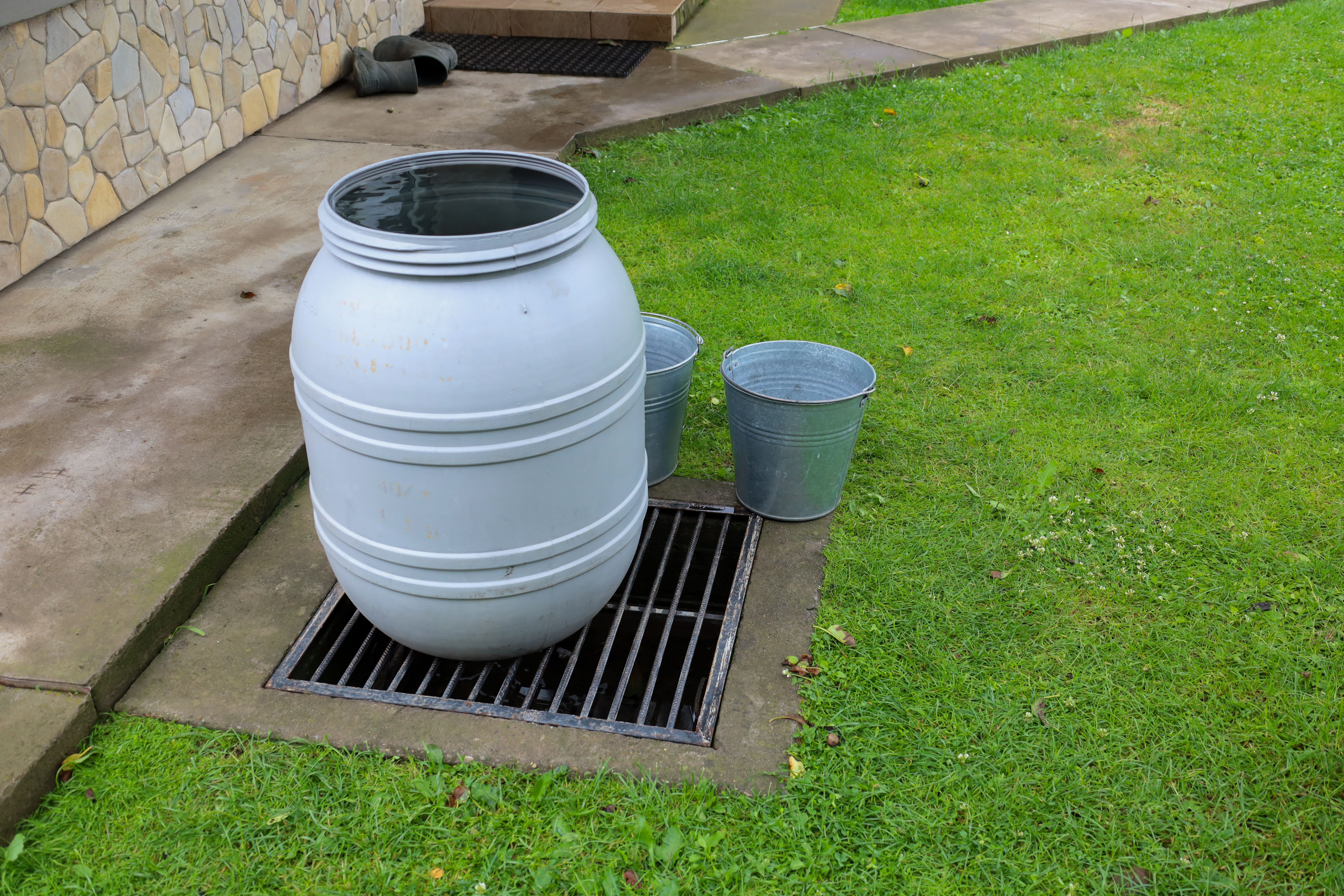
Use the collected rainwater to water your plants during dry spells. This not only conserves municipal water but also provides your plants with chemical-free hydration. Over time, you'll notice healthier plants and a reduced water bill.
Building a Raised Bed Garden
Raised bed gardens are perfect for maximizing space and improving soil quality. Begin by selecting a sunny location and building a frame using reclaimed wood or repurposed materials. Fill it with a mixture of compost, topsoil, and sand for optimal drainage.
Plant a variety of vegetables and herbs, rotating crops each season to maintain soil fertility. Raised beds improve accessibility, reduce soil compaction, and allow for better pest management. This method is both sustainable and efficient.
Companion Planting for Natural Pest Control
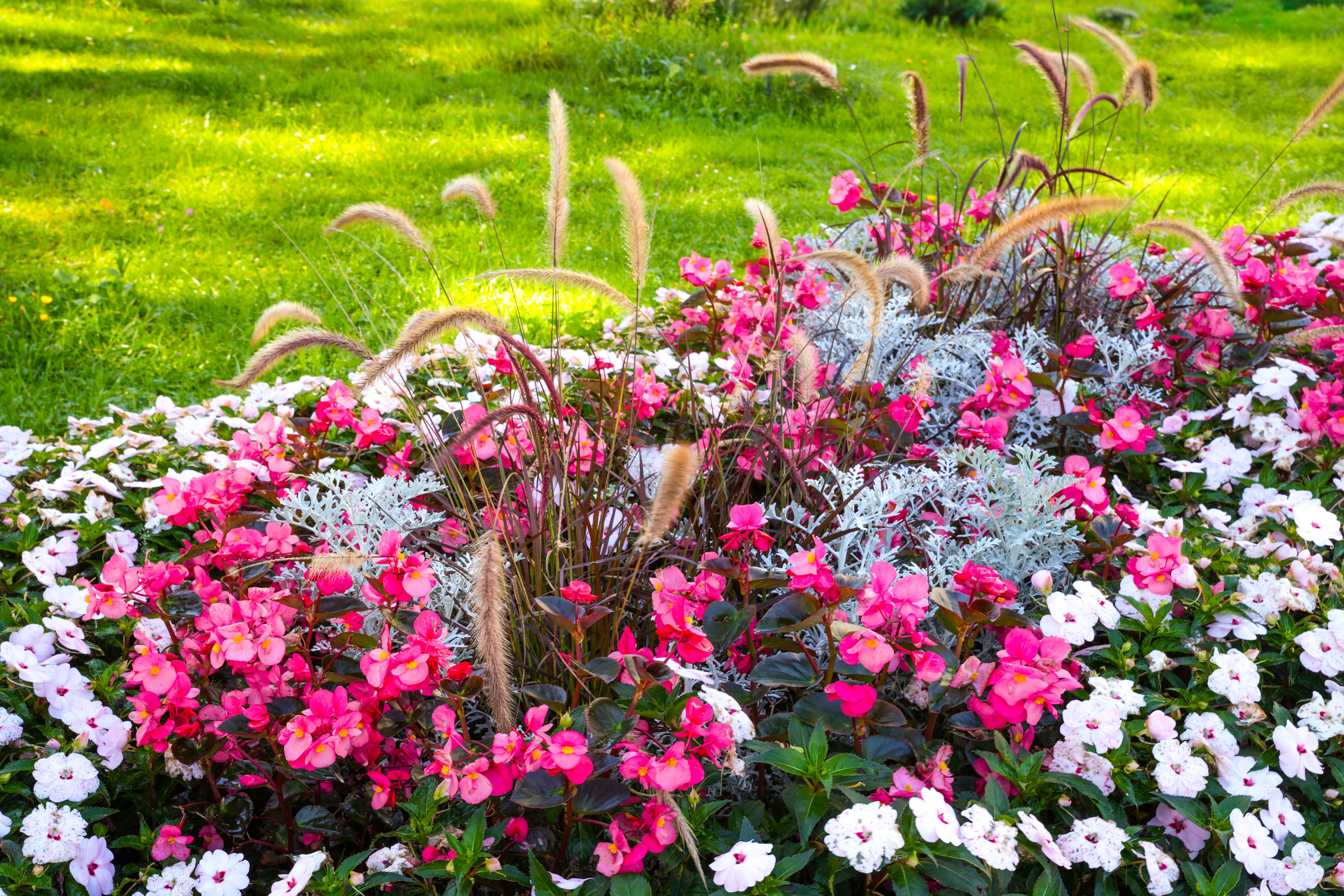
Companion planting involves grouping plants that benefit each other. For instance, marigolds can deter pests from tomatoes, while basil enhances their flavor. By strategically planting, you can reduce the need for chemical pesticides.
Research compatible plant pairings and incorporate them into your garden layout. This practice not only fosters a healthier garden but also encourages biodiversity. Companion planting is a natural way to protect and enhance your crops.
Creating a Pollinator-Friendly Habitat
Supporting pollinators like bees and butterflies is essential for a thriving garden. Plant a variety of native flowers that bloom at different times to provide a continuous food source. Include plants like lavender, sunflowers, and coneflowers in your garden design.
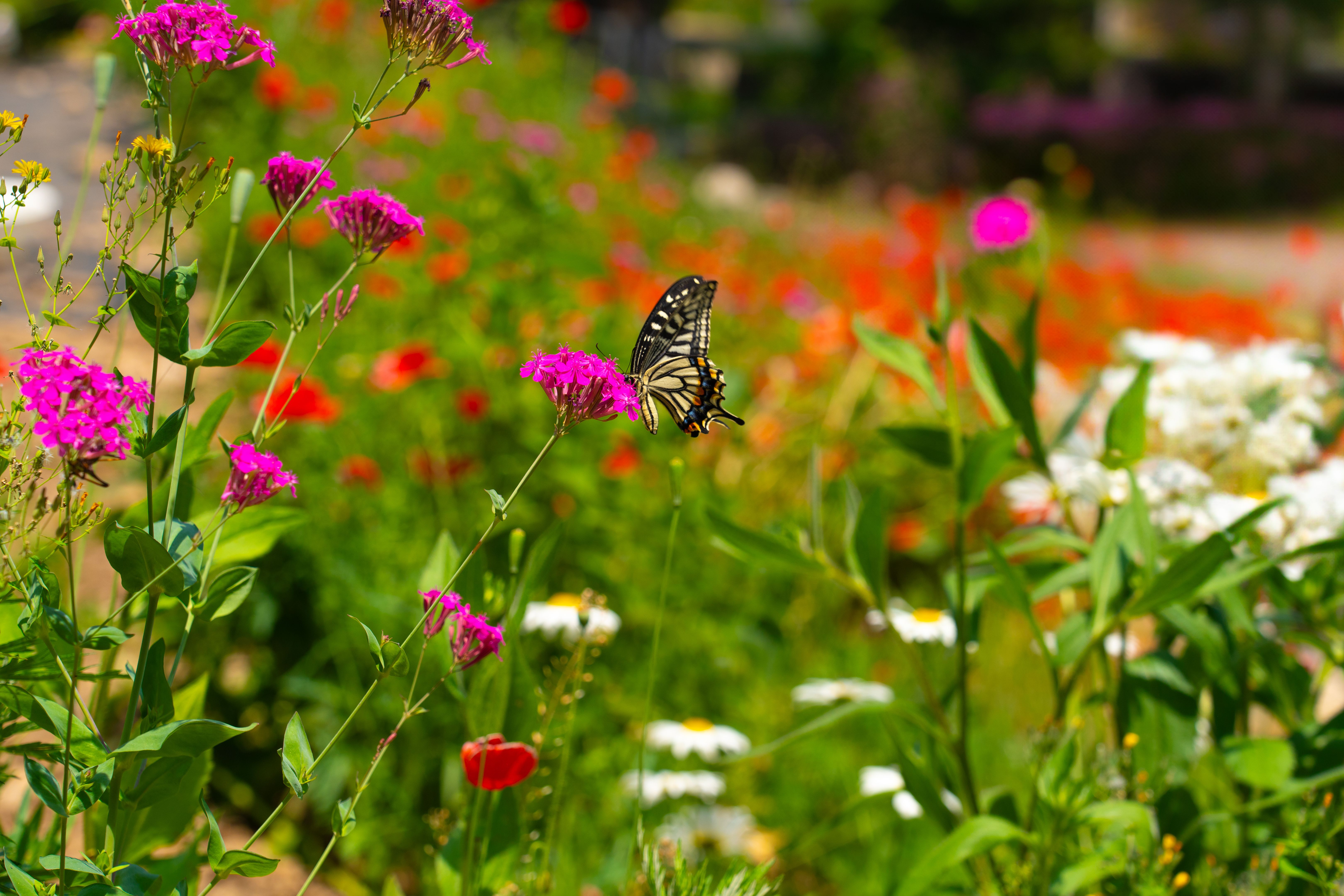
Avoid pesticides and provide water sources like shallow dishes with stones. By creating a welcoming environment, you'll attract beneficial pollinators that help your garden flourish naturally.
By implementing these DIY sustainable garden projects, you can create a thriving ecosystem right in your backyard. Each step you take not only enhances your garden but also contributes to a healthier planet. Embrace sustainability and watch your garden—and the environment—bloom.