
Eco-Friendly Landscaping: Sustainable Garden Design Trends


Introduction to Eco-Friendly Landscaping
The growing awareness of environmental issues has sparked a movement towards eco-friendly landscaping. Homeowners and garden enthusiasts are now more conscientious about their impact on the planet and are seeking sustainable garden design trends. This shift not only helps in conserving resources but also enhances the beauty and functionality of outdoor spaces.

Native Plant Selection
One of the cornerstones of sustainable garden design is the use of native plants. These plants are adapted to the local climate, which means they require less water and maintenance. By choosing native species, you support local wildlife and create a balanced ecosystem. Additionally, native plants tend to be more resistant to pests, reducing the need for chemical treatments.
Consider incorporating a variety of native flowers, shrubs, and trees to add diversity and visual interest to your garden. This approach not only enhances biodiversity but also promotes a healthier environment.
Water Conservation Techniques
Water conservation is a vital aspect of eco-friendly landscaping. Implementing efficient irrigation systems, such as drip irrigation or soaker hoses, can significantly reduce water usage. These systems deliver water directly to the plant roots, minimizing evaporation and runoff.
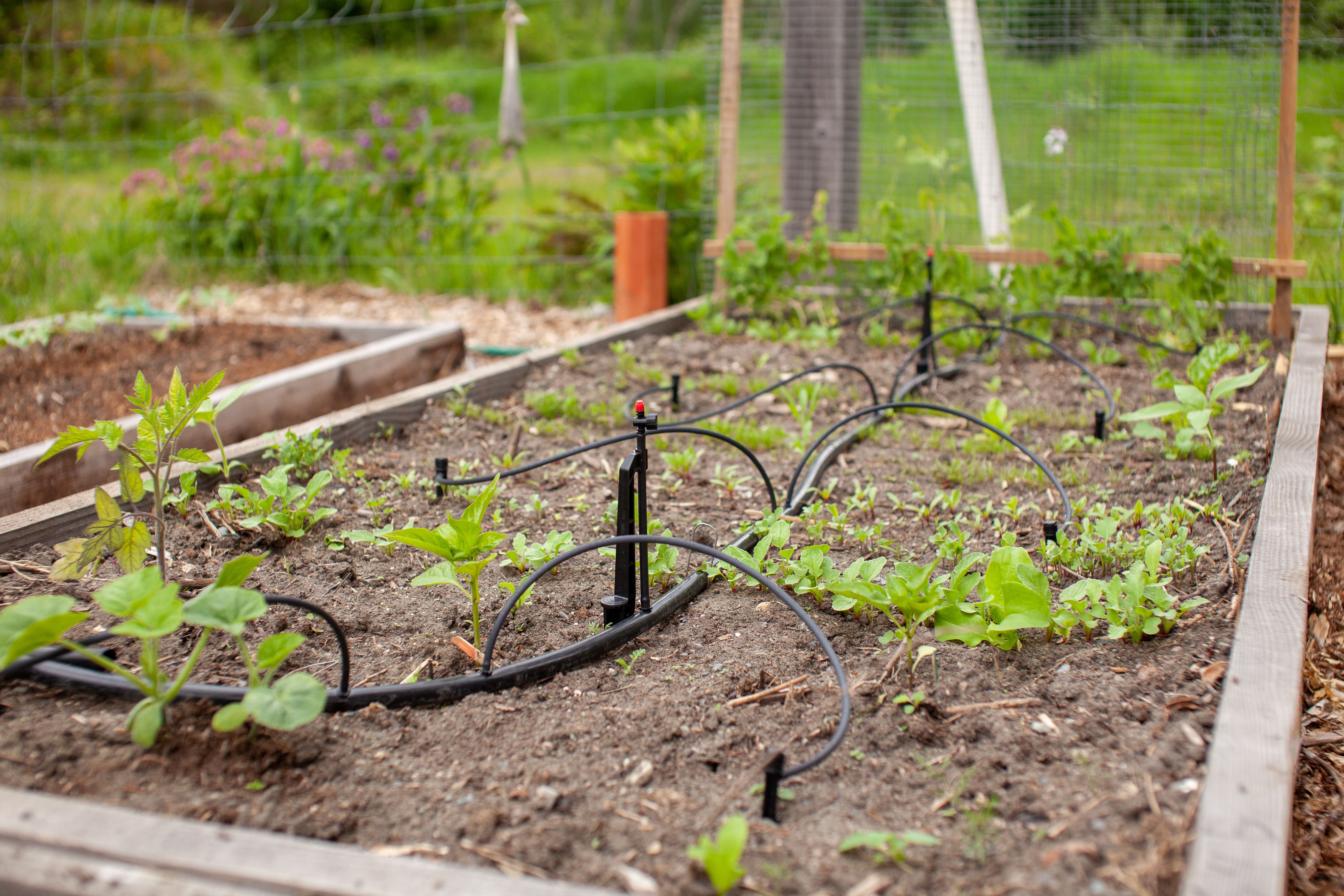
Another effective technique is rainwater harvesting. Installing rain barrels or a rain garden can capture and store rainwater for later use, providing a sustainable water source for your garden. This practice not only saves water but also reduces your utility bills.
Composting and Soil Health
Healthy soil is the foundation of a sustainable garden. Composting is an excellent way to enrich the soil naturally. By recycling kitchen scraps and yard waste into compost, you create a nutrient-rich amendment that improves soil structure and fertility.
- Start a compost pile or bin in your backyard.
- Include a mix of green (nitrogen-rich) and brown (carbon-rich) materials.
- Turn the pile regularly to aerate it.
Using compost not only reduces the need for chemical fertilizers but also enhances the soil's ability to retain moisture, further conserving water.
Minimizing Lawn Areas
Traditional lawns require significant amounts of water, fertilizers, and maintenance. By reducing lawn areas, you can create more sustainable landscapes. Consider replacing sections of grass with ground covers, native plants, or hardscaping elements like gravel or stone pathways.
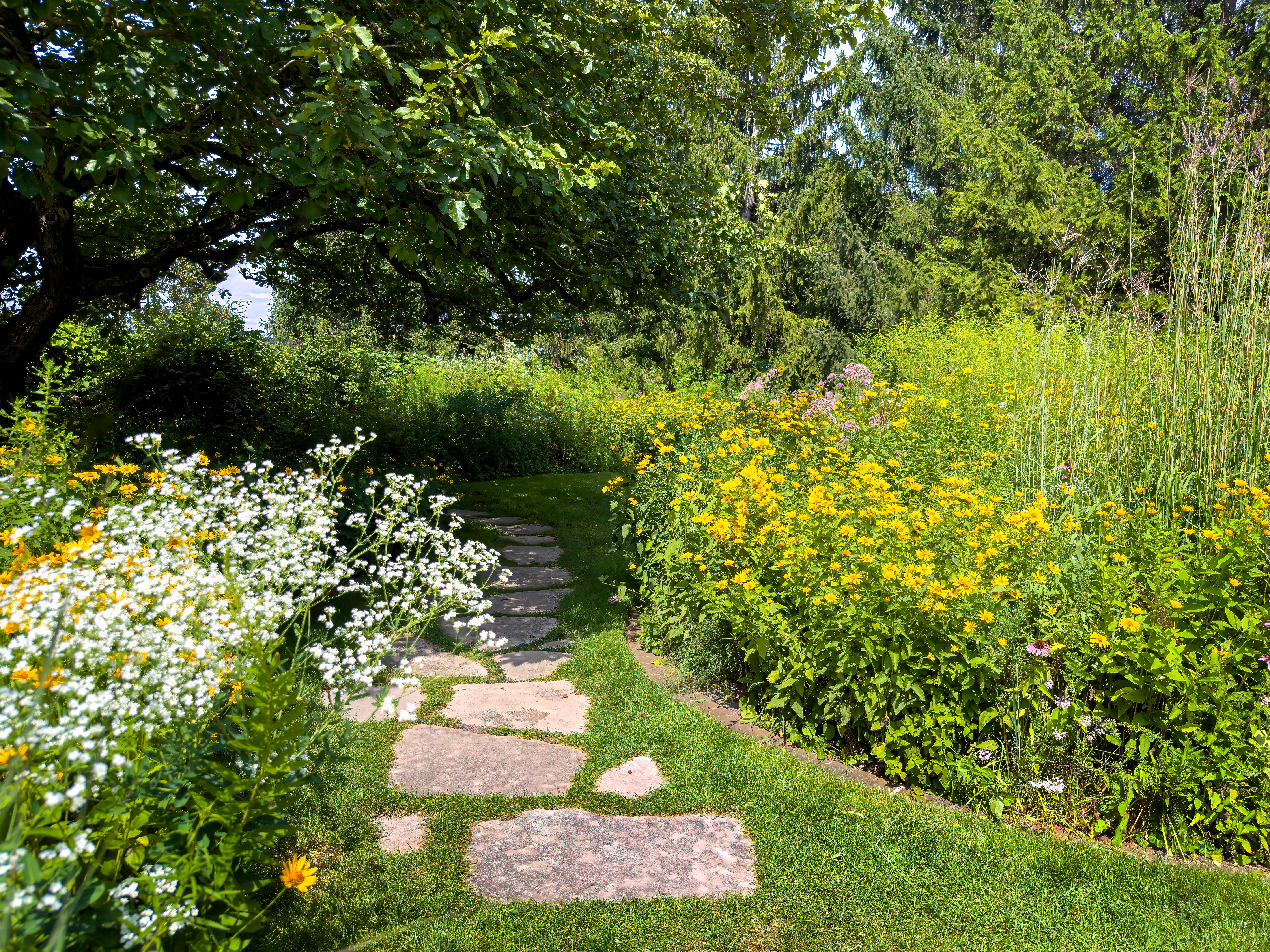
This approach not only decreases water usage but also reduces the time and effort needed for lawn care. The result is a more diverse and visually appealing garden that aligns with eco-friendly principles.
Conclusion
Eco-friendly landscaping is more than just a trend; it's a commitment to sustainability and environmental stewardship. By incorporating native plants, conserving water, improving soil health, and minimizing lawns, you can create a garden that is both beautiful and sustainable. Embrace these trends to make a positive impact on the environment while enjoying a thriving outdoor space.