Florida Outdoor Landscape Trends: What's New and Exciting


Embracing Native Flora
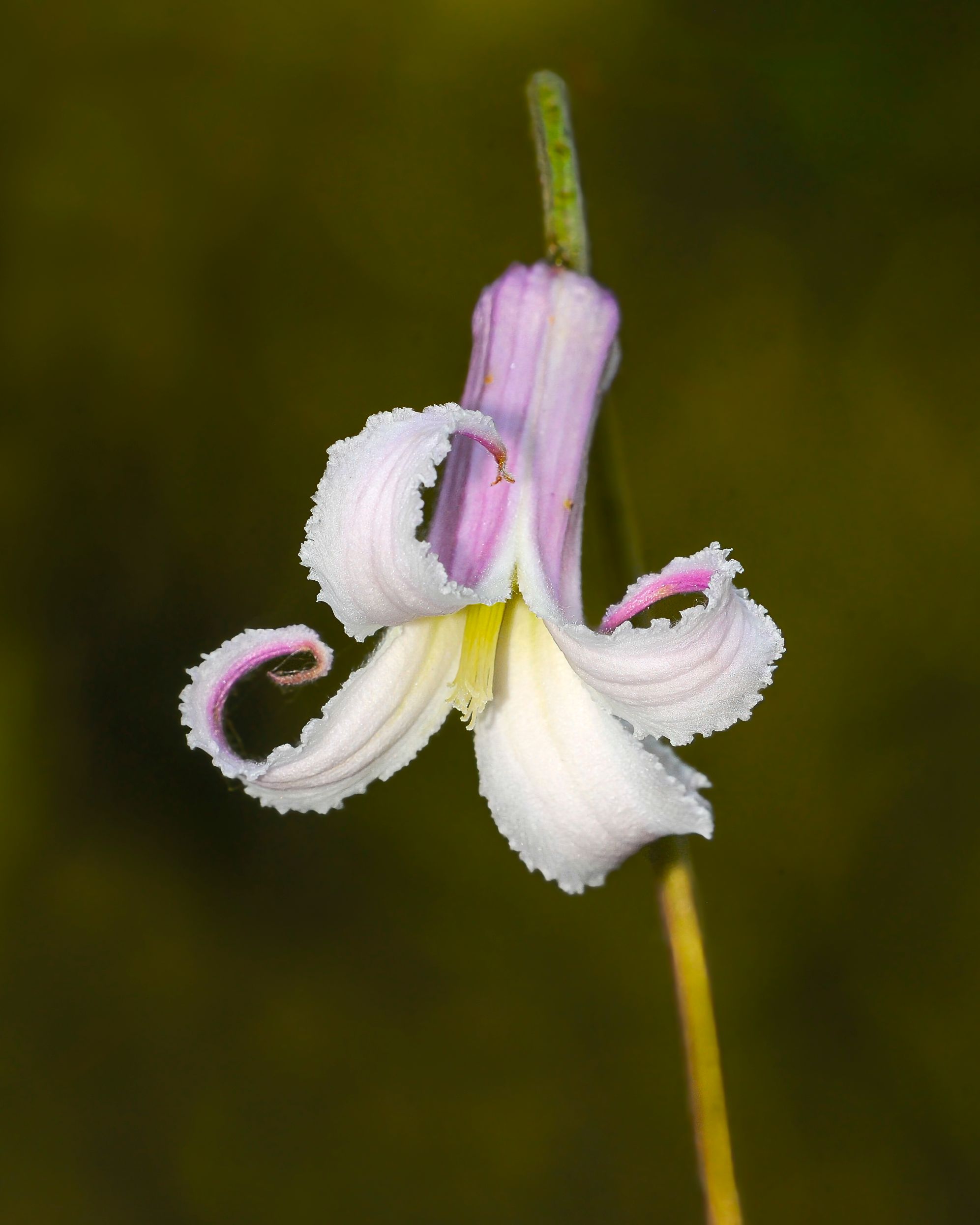
One of the most exciting trends in Florida's outdoor landscaping is the increasing use of native plants. Homeowners and designers are recognizing the benefits of incorporating flora that naturally thrives in the local climate. Native plants require less water and maintenance, making them environmentally friendly and cost-effective.
The use of indigenous plants not only supports local ecosystems but also enhances the beauty of landscapes with vibrant colors and textures unique to Florida. From the elegant beauty of the saw palmetto to the delicate charm of the firebush, native flora offers a rich palette for any garden.
Outdoor Living Spaces
Transforming backyards into functional outdoor living spaces is gaining popularity. Floridians are extending their living areas outdoors by adding features such as patios, decks, and pergolas. These spaces are perfect for entertaining guests or simply relaxing in the warm Florida weather.
Incorporating furniture that is both stylish and weather-resistant is key to creating a comfortable outdoor living area. Many homeowners are also installing outdoor kitchens, complete with grills, sinks, and refrigerators, to take alfresco dining to the next level.

Water Features for Tranquility
Water features continue to be a favorite in Florida landscapes, adding a touch of tranquility and elegance. From small fountains to elaborate ponds, these features provide a soothing ambiance and can serve as a focal point in any garden.
For those looking to make a bold statement, waterfalls and cascading water walls are becoming increasingly popular. These installations not only enhance the aesthetic appeal but also attract local wildlife, creating a vibrant ecosystem in your backyard.

Sustainable Landscaping Practices
Sustainability is at the forefront of modern landscaping trends. Homeowners are increasingly adopting practices that reduce environmental impact. This includes using permeable materials for walkways and driveways to minimize water runoff.
Rain gardens are also gaining traction as a way to manage stormwater naturally. These gardens are designed to absorb rainfall, reducing erosion and filtering pollutants. By focusing on sustainability, homeowners can create beautiful landscapes that contribute to a healthier environment.
Lighting for Ambiance
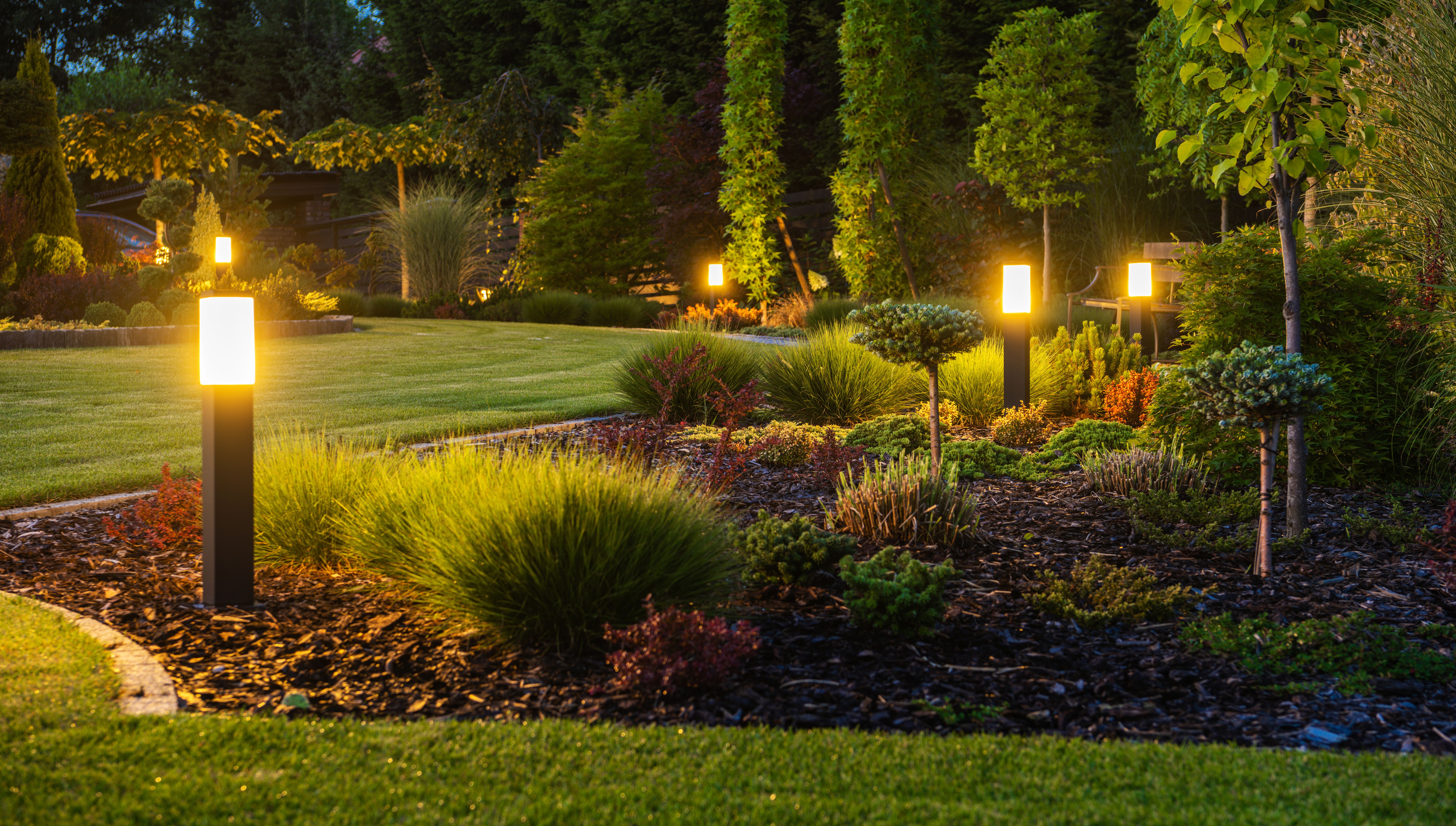
The use of lighting in outdoor landscapes is evolving, with a focus on creating ambiance and highlighting architectural features. LED lights are energy-efficient and come in various colors and intensities, offering endless possibilities for creativity.
Pathway lights, uplighting for trees, and accent lights for water features can transform a garden into a magical space after sunset. Smart lighting systems that can be controlled via smartphone apps are also becoming increasingly popular.
Vertical Gardens and Green Walls
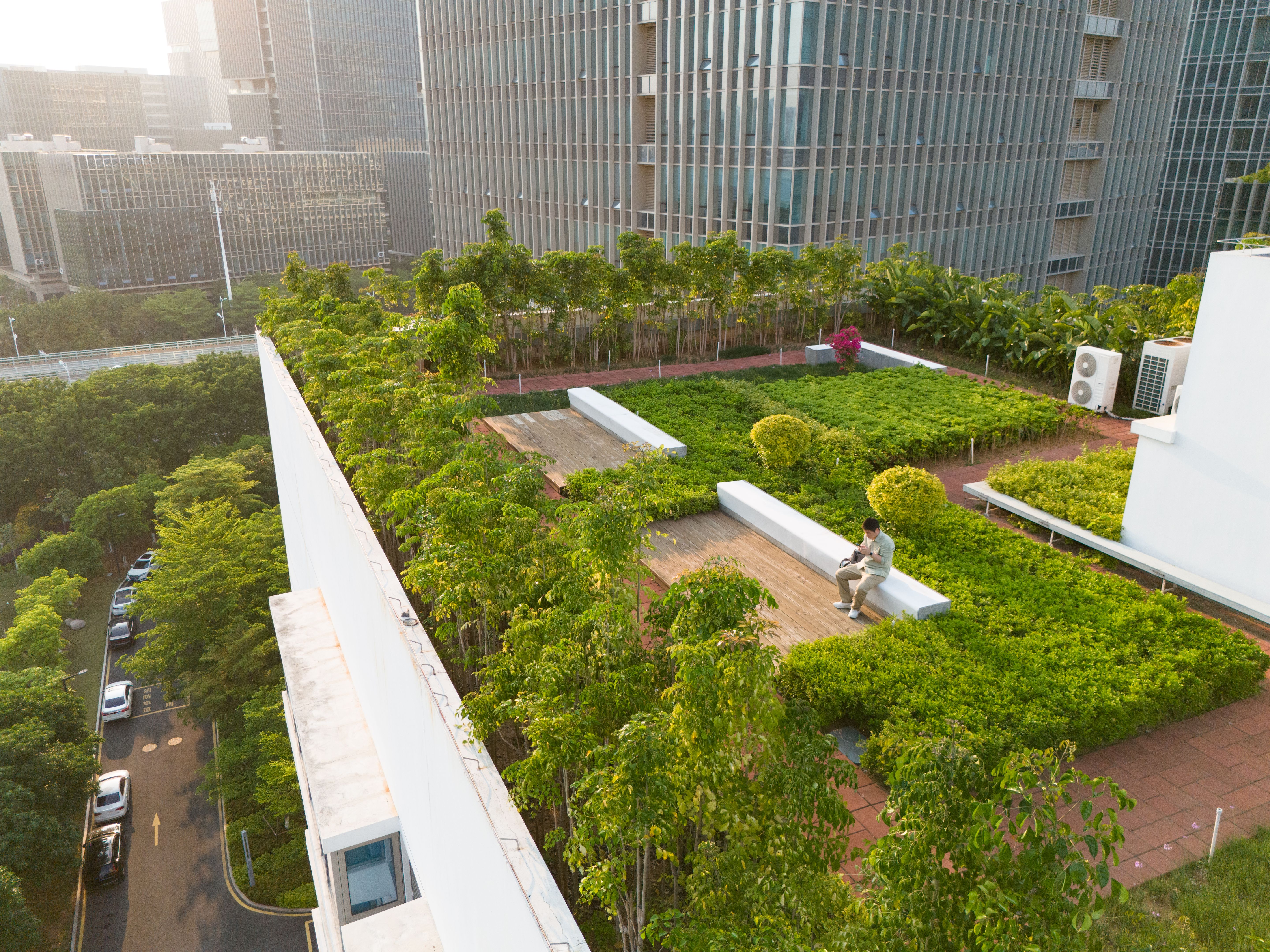
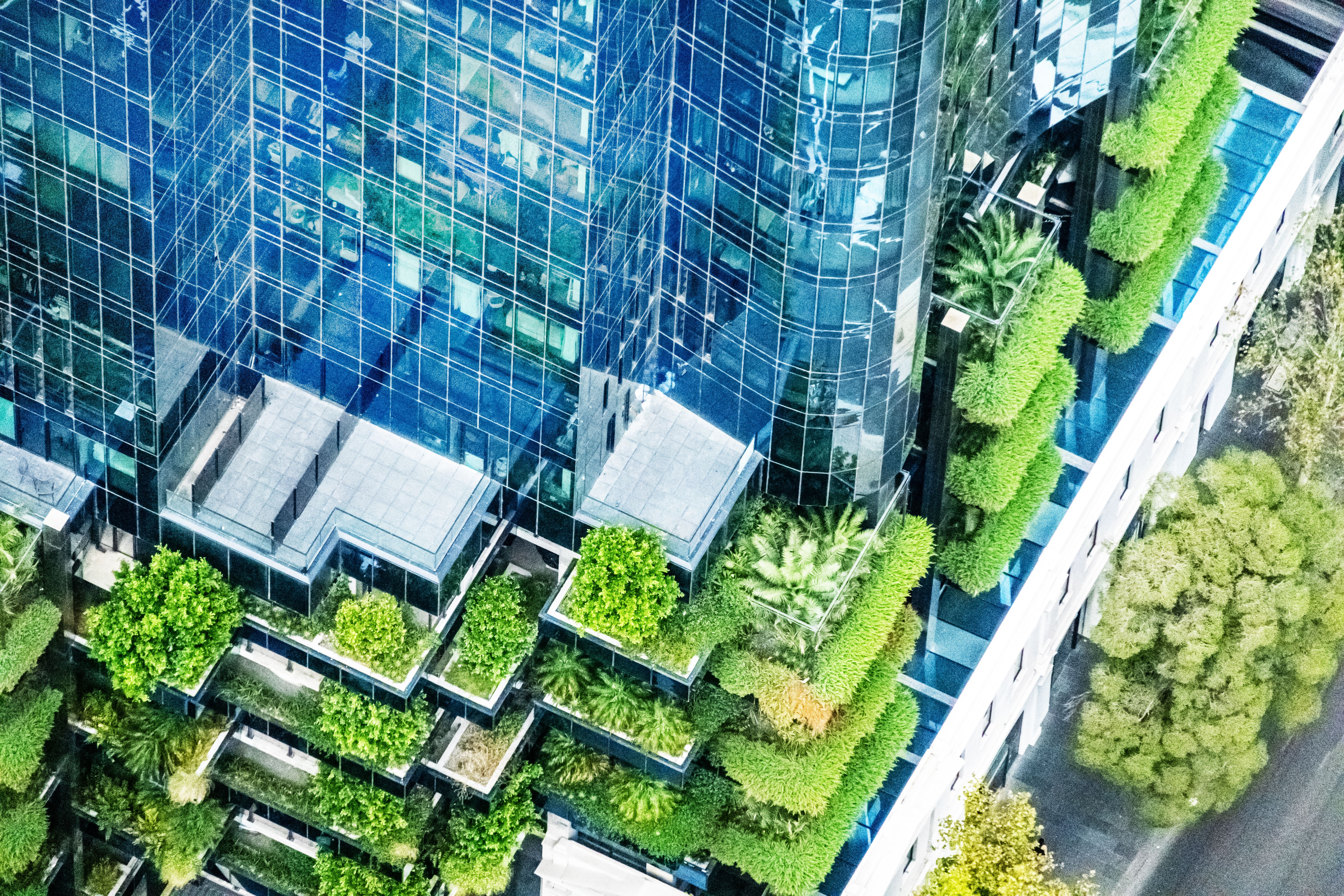
For those with limited space, vertical gardens and green walls offer a creative solution. These installations allow homeowners to maximize space by growing plants vertically, adding lush greenery to walls and fences.
Vertical gardens are not only visually appealing but also improve air quality and provide insulation. They are a fantastic way to incorporate more greenery into urban settings where space is at a premium.
Emphasis on Hardscaping
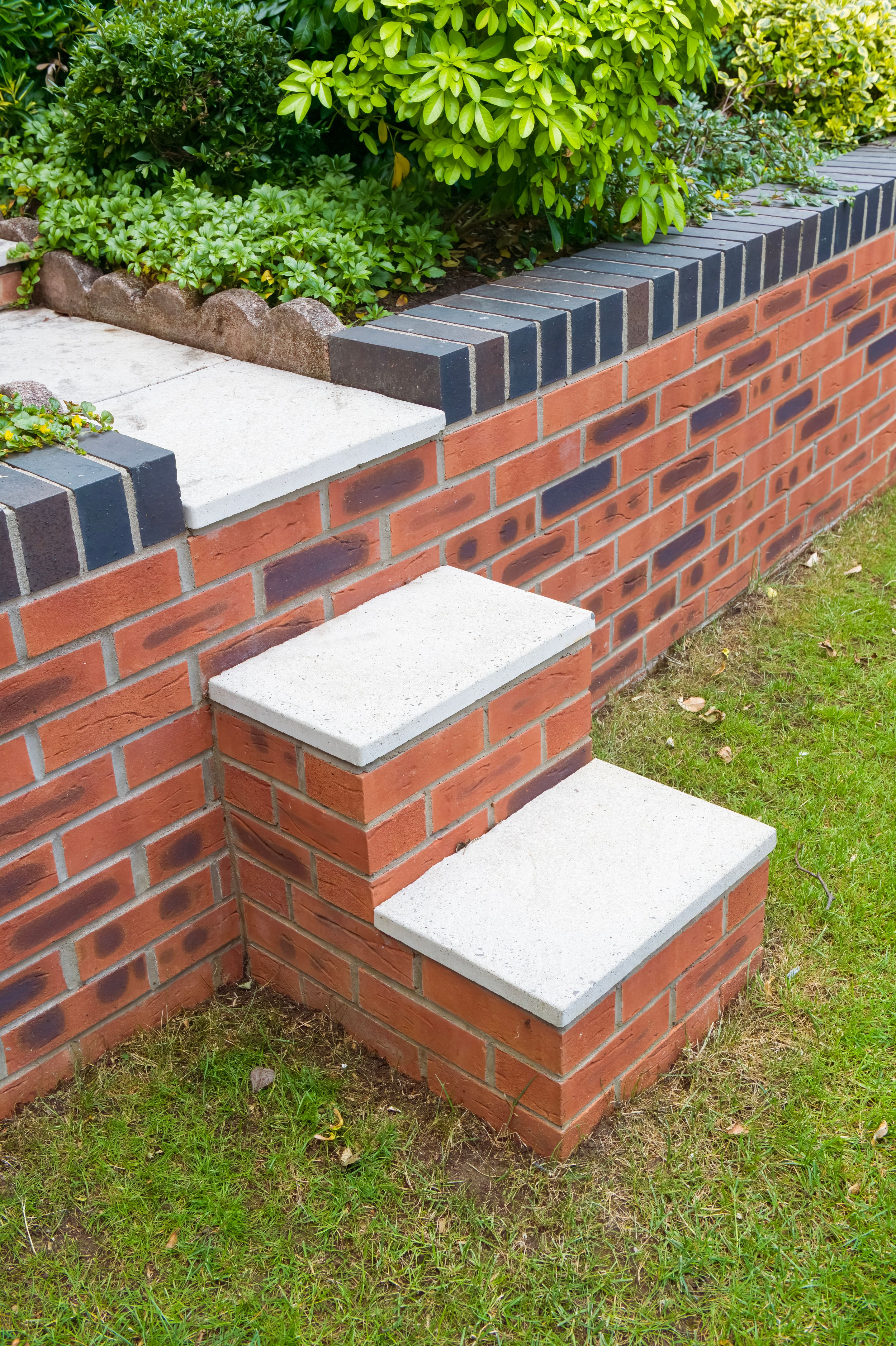
Hardscaping is an essential component of modern landscape design, providing structure and functionality. Elements such as stone pathways, retaining walls, and fire pits add character and usability to outdoor spaces.
Using natural materials like stone and wood can create a seamless transition between the built environment and the natural landscape. Hardscaping also requires less maintenance, making it a practical choice for busy homeowners.
Edible Gardens
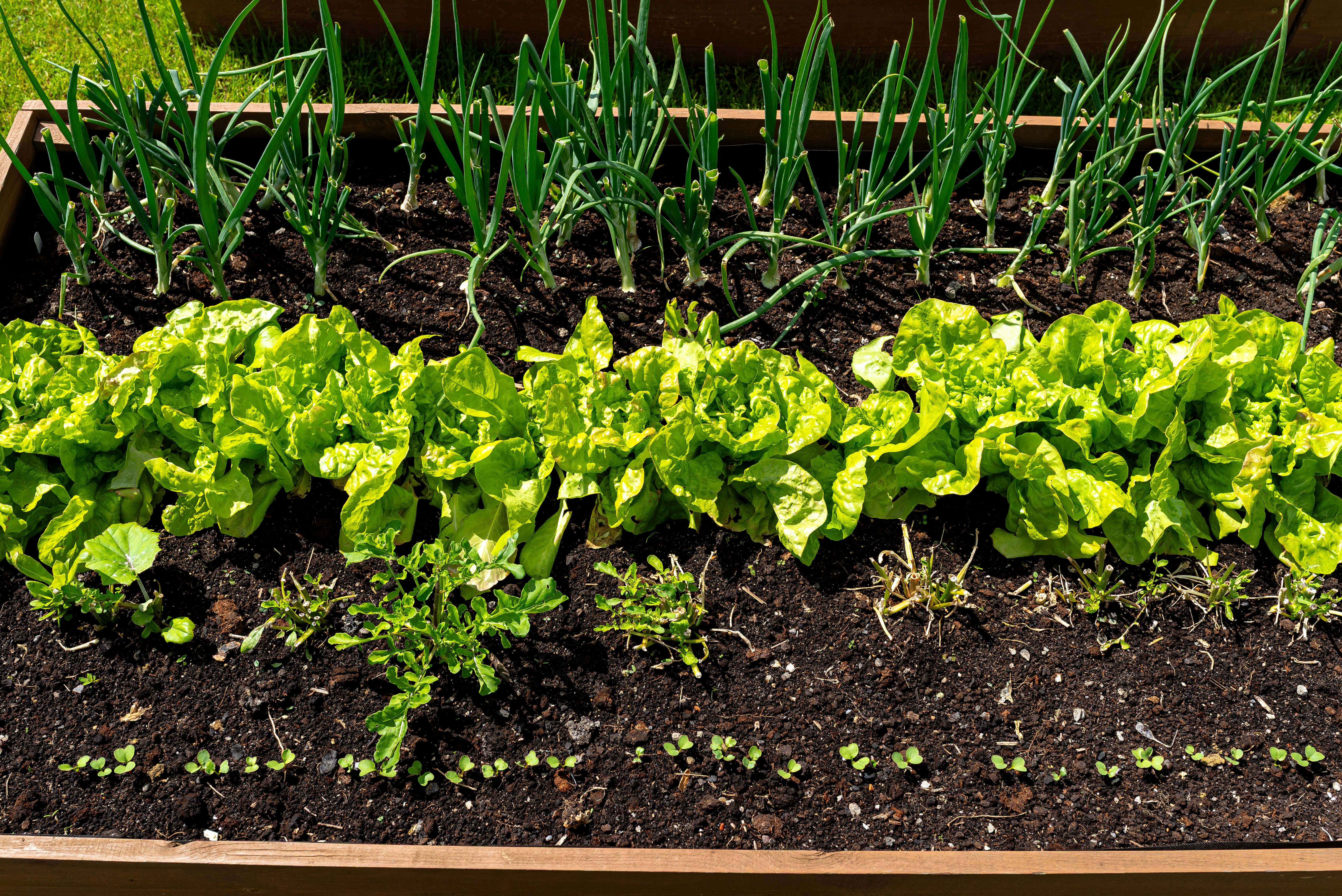
Edible gardens are becoming more popular as people seek to grow their own food. Incorporating herbs, vegetables, and fruit trees into landscape designs offers both aesthetic and practical benefits.
Raised beds and container gardening are popular methods for cultivating edible plants. This trend not only promotes healthier eating habits but also allows homeowners to enjoy the satisfaction of growing their own produce.