How to Create a Sustainable Garden in Melbourne, FL: Expert Tips


Understanding the Climate and Soil
Creating a sustainable garden in Melbourne, FL, begins with understanding the local climate and soil conditions. The area experiences a humid subtropical climate, which means hot summers and mild winters. This makes it ideal for a variety of plants that thrive in warmer temperatures. Before planting, test your soil to understand its pH level and nutrient content. Amending the soil with organic matter can improve its fertility and structure.
Choosing Native Plants
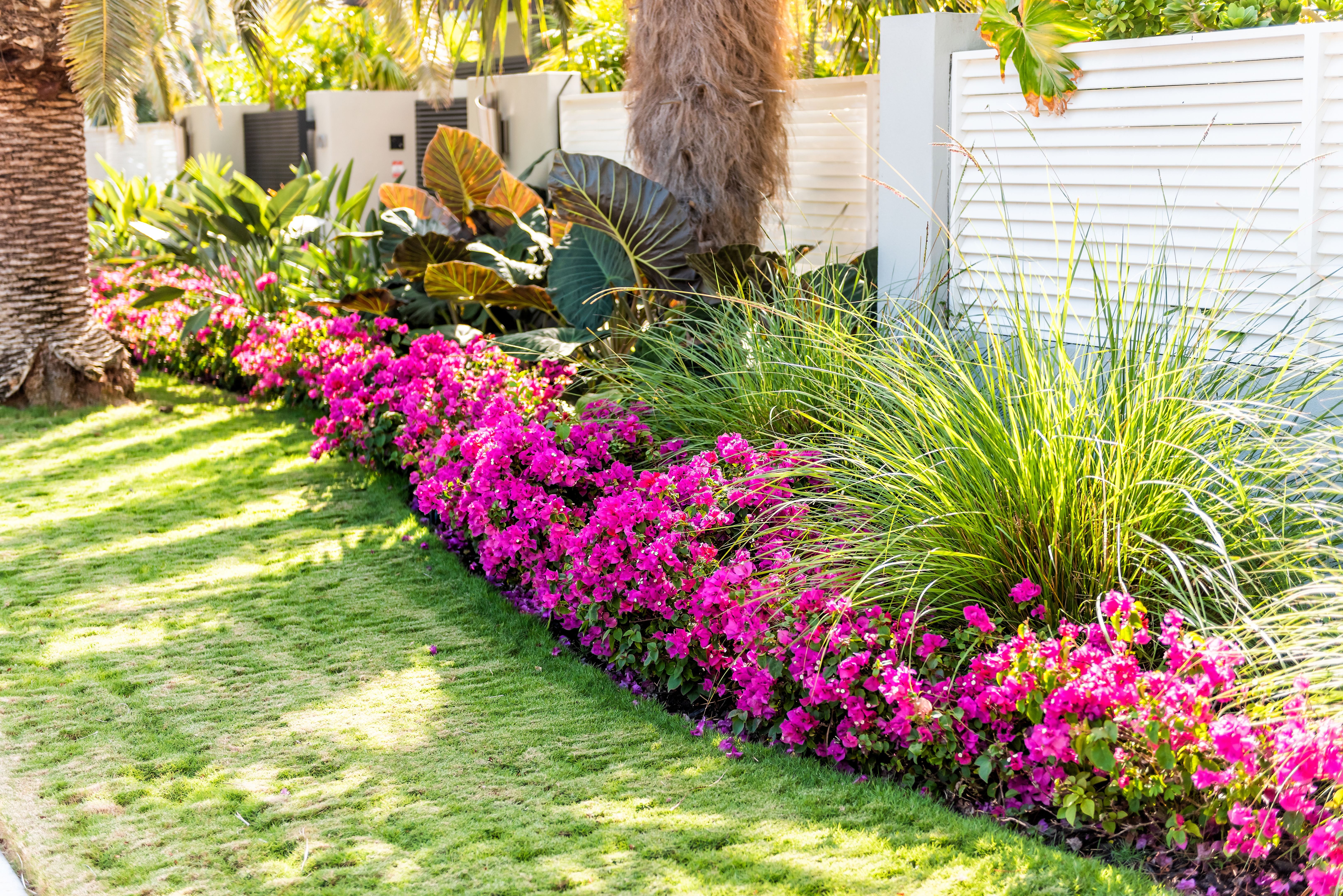
One of the most effective ways to ensure your garden is sustainable is by choosing native plants. These species are adapted to the local environment and require less water and maintenance. Some excellent choices for Melbourne include coontie, firebush, and southern magnolia. Native plants also provide essential habitats for local wildlife, promoting biodiversity.
Benefits of Native Plants
Native plants are naturally resistant to local pests and diseases, reducing the need for chemical pesticides. They also help conserve water, as they are accustomed to the local rainfall patterns. Incorporating these plants into your garden design will create a resilient ecosystem that supports both flora and fauna.
Water Conservation Techniques
Water conservation is key to a sustainable garden. Implementing efficient watering techniques can significantly reduce water usage. Consider installing a rain barrel to collect rainwater for irrigation. Drip irrigation systems are also highly effective, delivering water directly to the root zone with minimal evaporation.
Mulching for Moisture Retention
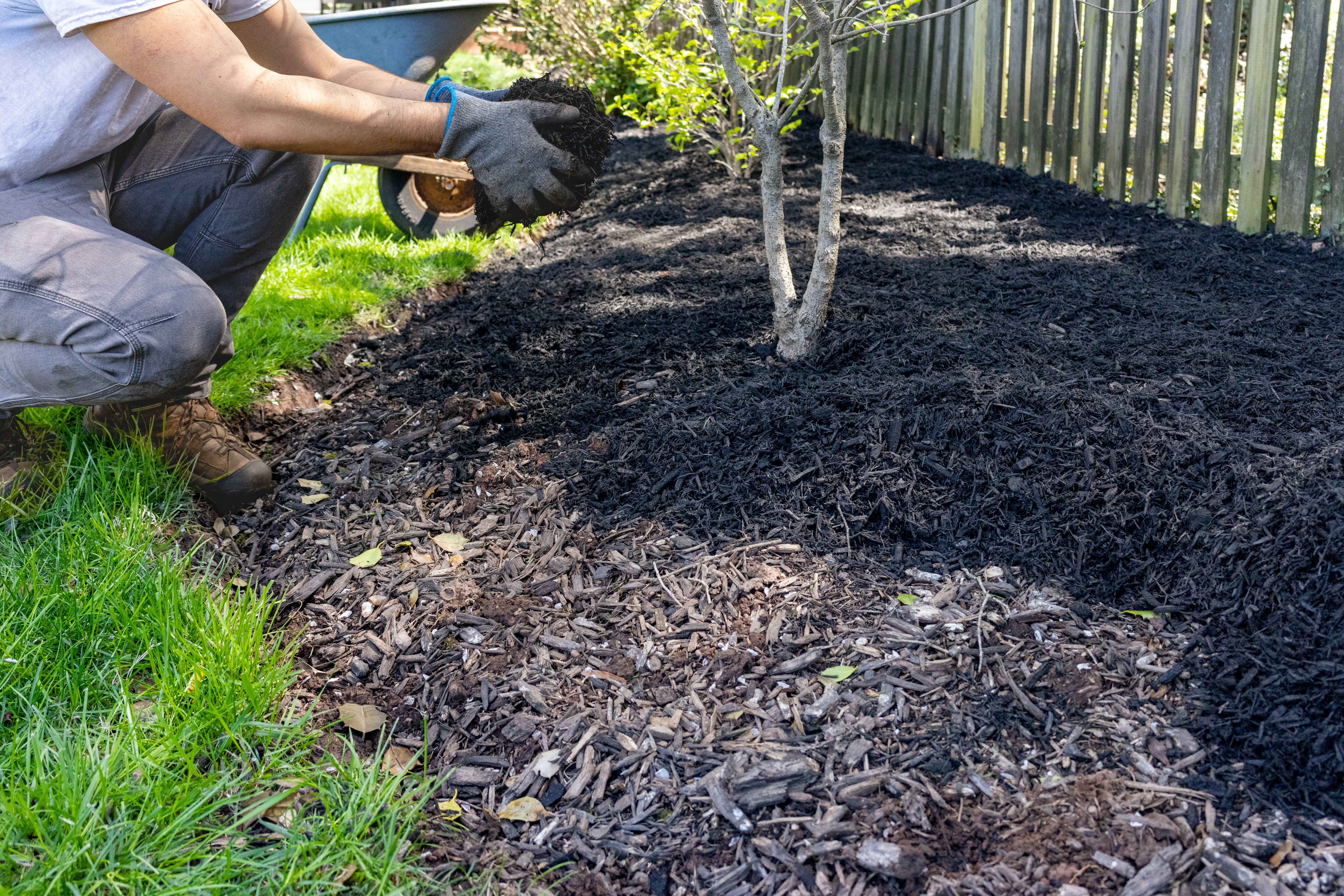
Applying mulch around your plants helps retain soil moisture, suppress weeds, and regulate soil temperature. Organic mulches like wood chips or straw decompose over time, enriching the soil. A layer of 2-3 inches is usually sufficient to provide these benefits.
Creating a Wildlife-Friendly Habitat
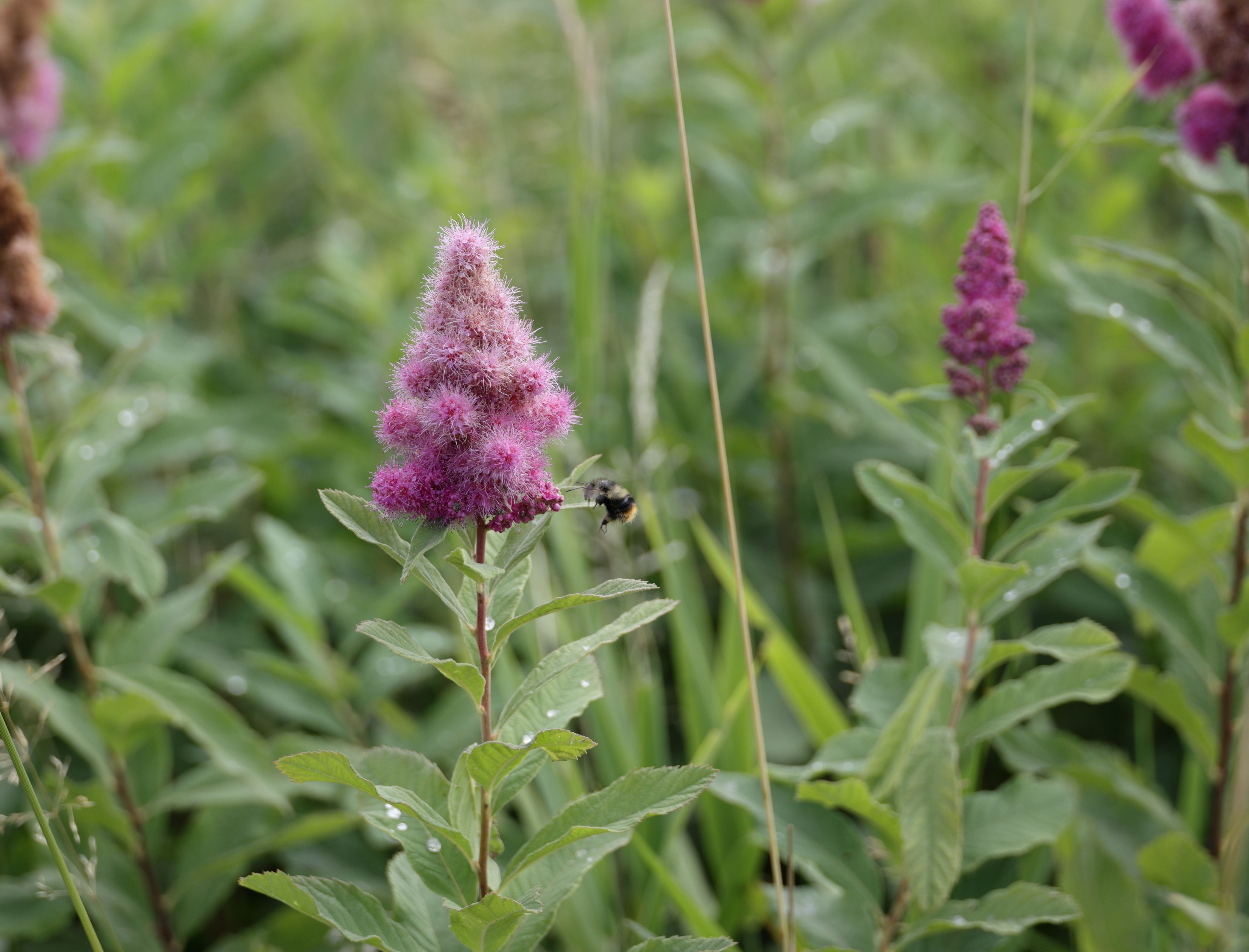
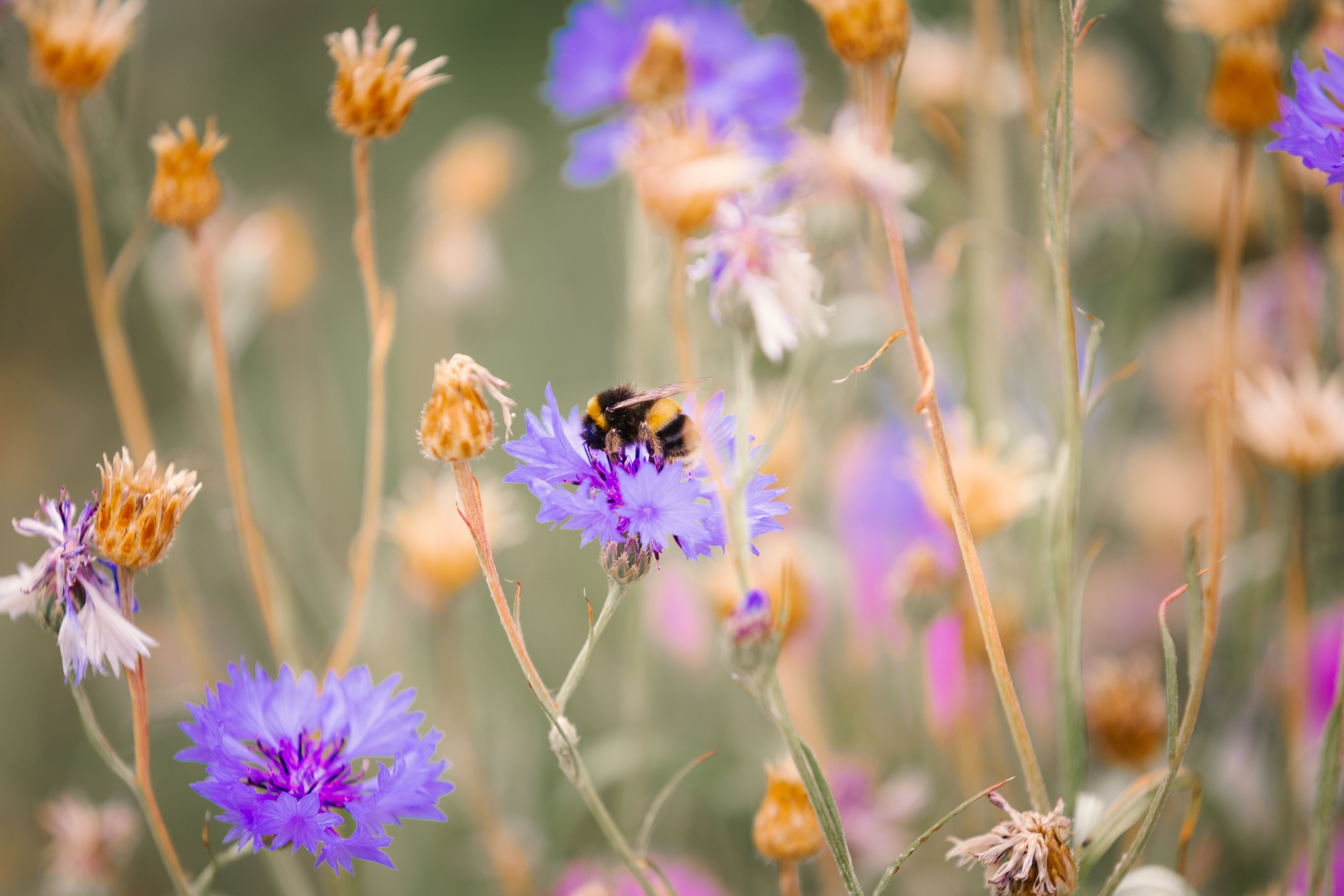
Encouraging wildlife in your garden can enhance its sustainability. Birds, butterflies, and beneficial insects can help with pollination and pest control. To attract these creatures, consider planting a variety of flowering plants that bloom at different times of the year. Providing bird baths and nesting boxes can also make your garden more inviting.
Integrated Pest Management
Integrated Pest Management (IPM) focuses on using natural methods to control pests. Encourage beneficial insects like ladybugs and lacewings, which feed on common garden pests. Companion planting, where certain plants are grown together to deter pests, can also be an effective strategy.
Composting for Soil Health
Composting is an excellent way to recycle organic waste and enhance soil health. By composting kitchen scraps and garden waste, you create a nutrient-rich amendment that improves soil structure and fertility. A simple compost bin in your backyard can significantly reduce waste and support a thriving garden ecosystem.
By following these expert tips, you can create a sustainable garden in Melbourne, FL, that not only thrives in the local climate but also contributes positively to the environment. With careful planning and thoughtful practices, your garden can become a haven for both plants and wildlife.