Landscaping Myths Debunked: What Really Works

Understanding Landscaping Myths
Landscaping is a great way to enhance the beauty and functionality of any outdoor space. However, there are numerous myths that often mislead homeowners. Understanding what works and what doesn’t can save you time, effort, and money.
Myth: More Water Means a Greener Lawn
One of the most common myths is that more water will lead to a lush, green lawn. While watering is essential, overwatering can lead to issues like root rot and fungal diseases. It's crucial to water deeply but infrequently to encourage roots to grow deeper into the soil.
For most lawns, watering once or twice a week is sufficient. Adjust your watering schedule based on the season and your local climate conditions.
Myth: All Plants Thrive in Any Soil
Another misconception is that all plants can grow well in any soil type. In reality, different plants have specific soil requirements. Some thrive in sandy soils, while others prefer clay or loamy soils. Understanding the soil composition of your garden can help you choose plants that will flourish.
Debunking Fertilizer Misconceptions
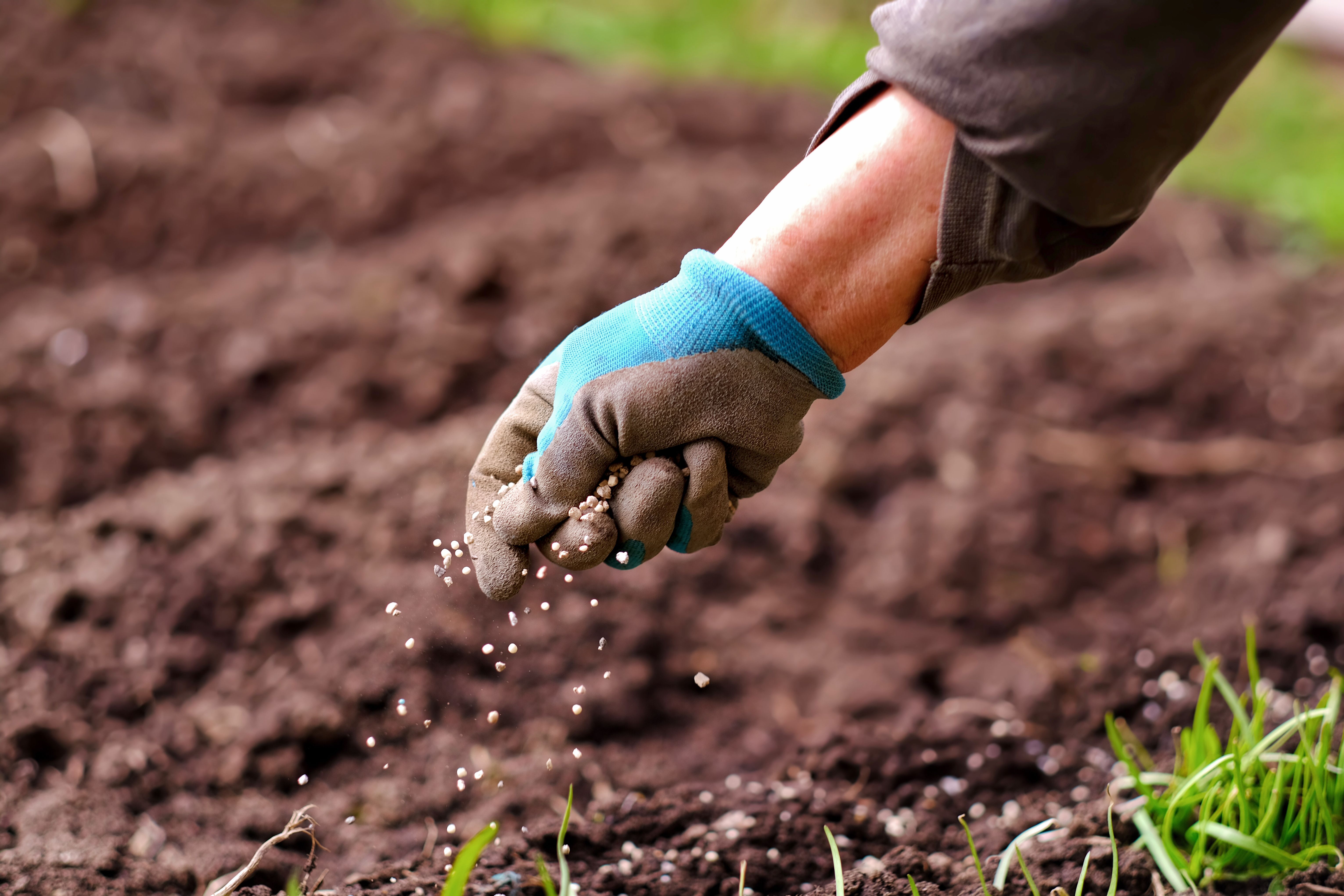
Fertilizers are often seen as a quick fix for all plant problems. However, over-fertilizing can cause more harm than good. It's important to understand the specific nutrient needs of your plants and choose fertilizers accordingly.
Myth: Fertilizer Is Always Necessary
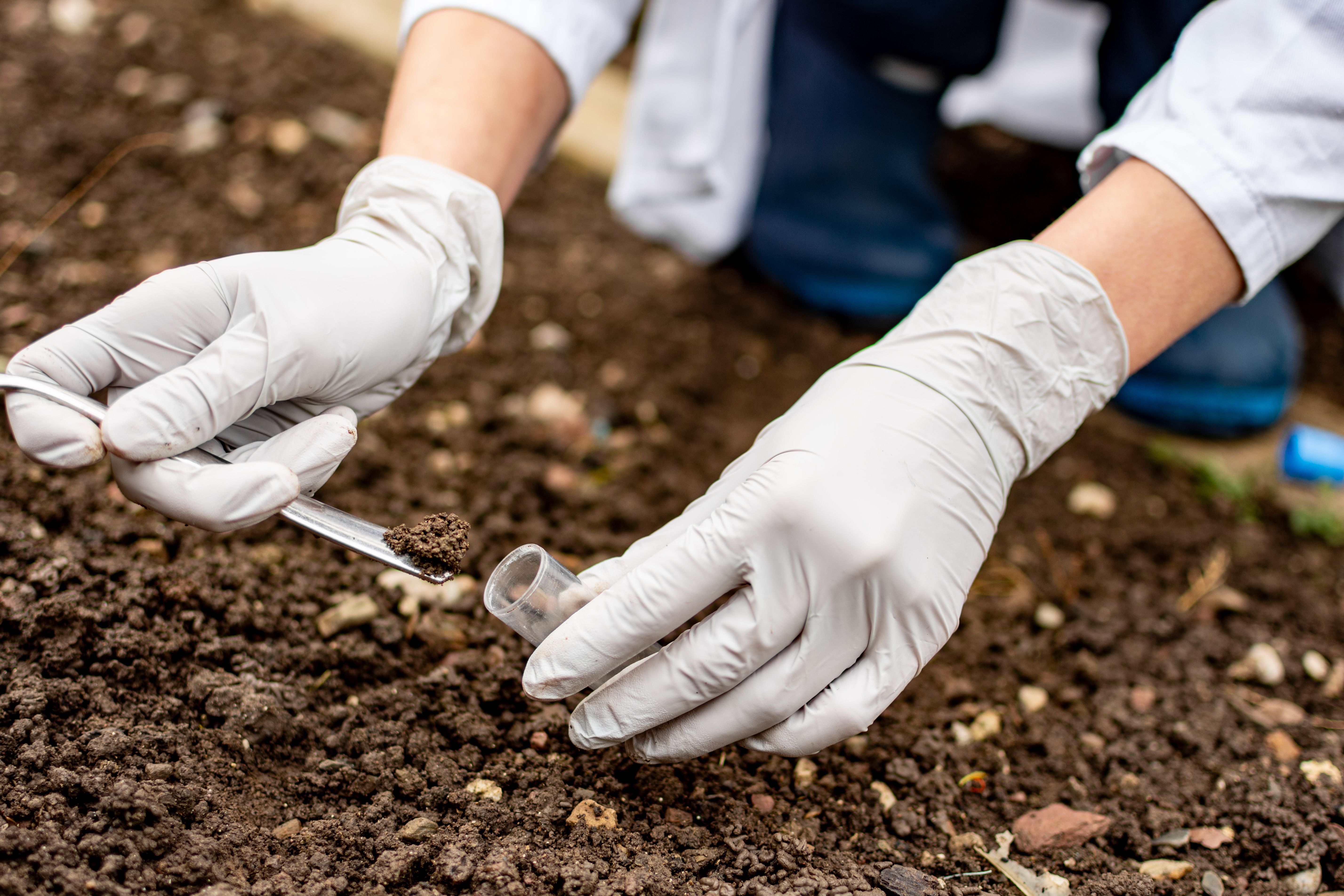
Not all plants require regular fertilization. Native plants, for example, are adapted to local soil conditions and often need minimal or no fertilization. Testing your soil can provide insights into what nutrients are lacking, allowing you to fertilize only when necessary.
Myths About Landscape Design
Many people believe that professional landscape design is only for large properties or that it's too expensive. In reality, even small yards can benefit greatly from thoughtful design, and there are options for every budget.
Myth: Professional Design Is Only for Large Spaces
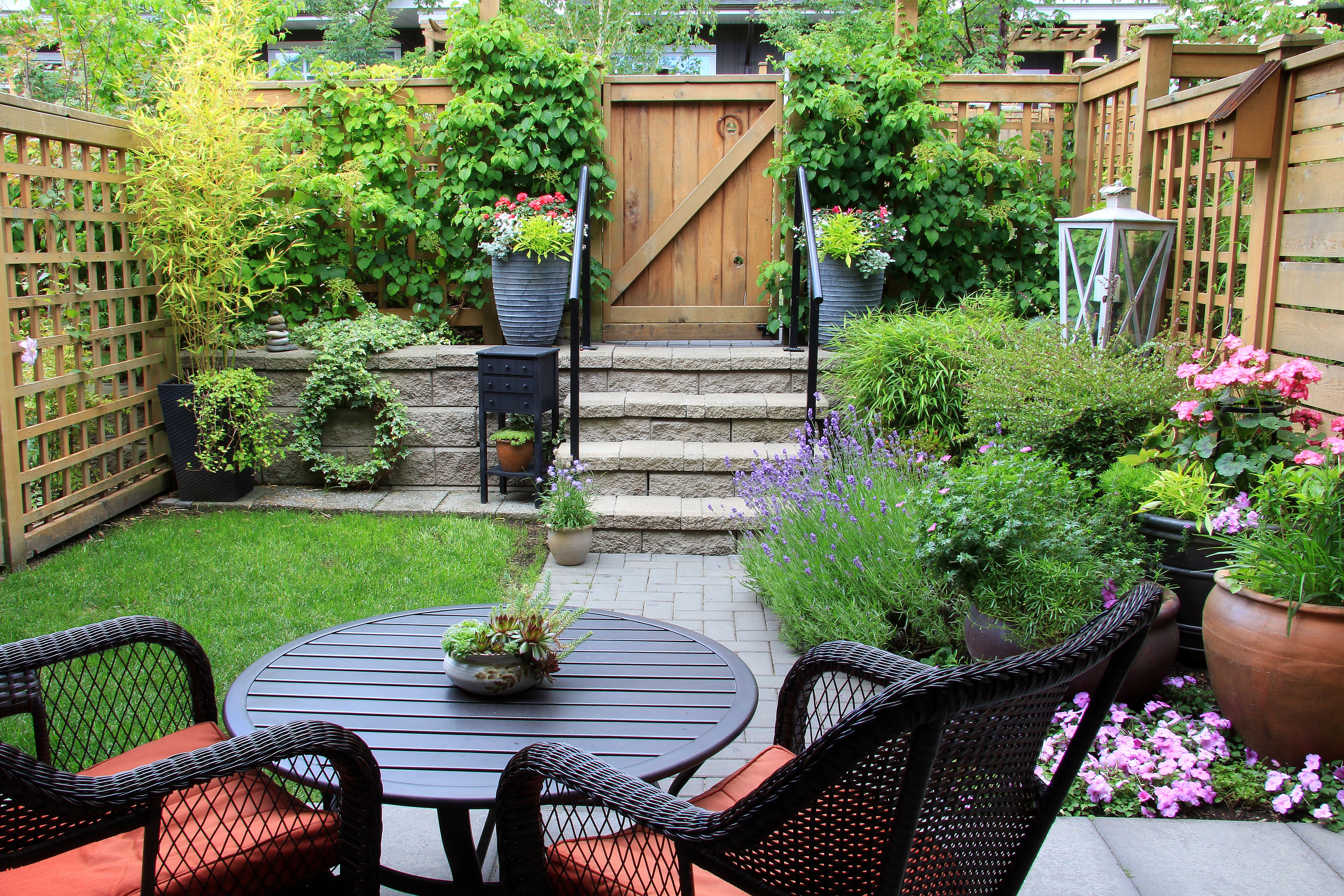
Effective landscape design can transform any space, no matter the size. Small yards, patios, and balconies can be designed to maximize space and aesthetic appeal. Creative use of vertical gardening or container plants can add depth and interest.
- Vertical gardening saves space.
- Container plants add flexibility.
- Use of mirrors can create an illusion of space.
By debunking these common myths, you can make informed decisions that enhance the beauty and health of your landscape. Whether you’re maintaining a lawn, choosing plants, or designing a space, understanding the reality behind these myths will lead to better results.