
Myth-Busting: Common Misconceptions About Eco-Friendly Landscaping


Introduction to Eco-Friendly Landscaping
Eco-friendly landscaping is often surrounded by myths that can deter homeowners from adopting sustainable practices. These misconceptions can lead to missed opportunities for creating beautiful, environmentally-friendly outdoor spaces. In this blog post, we will debunk some of the most common myths about eco-friendly landscaping.

Myth: Eco-Friendly Landscaping Is Expensive
One of the most prevalent myths is that sustainable landscaping is costly. While some initial investment might be necessary, the long-term savings often outweigh the costs. For instance, using native plants can reduce water usage and maintenance expenses, offering significant savings over time.
Moreover, eco-friendly practices such as composting and rainwater harvesting can further decrease costs. Investing in sustainability can lead to a more resilient and low-maintenance garden.
Myth: Eco-Friendly Landscaping Is Hard to Maintain
Contrary to popular belief, sustainable landscapes can be easier to maintain than traditional ones. Native plants, for example, are adapted to local conditions and typically require less water, fertilizer, and pesticides. This not only reduces maintenance but also promotes biodiversity and supports local ecosystems.
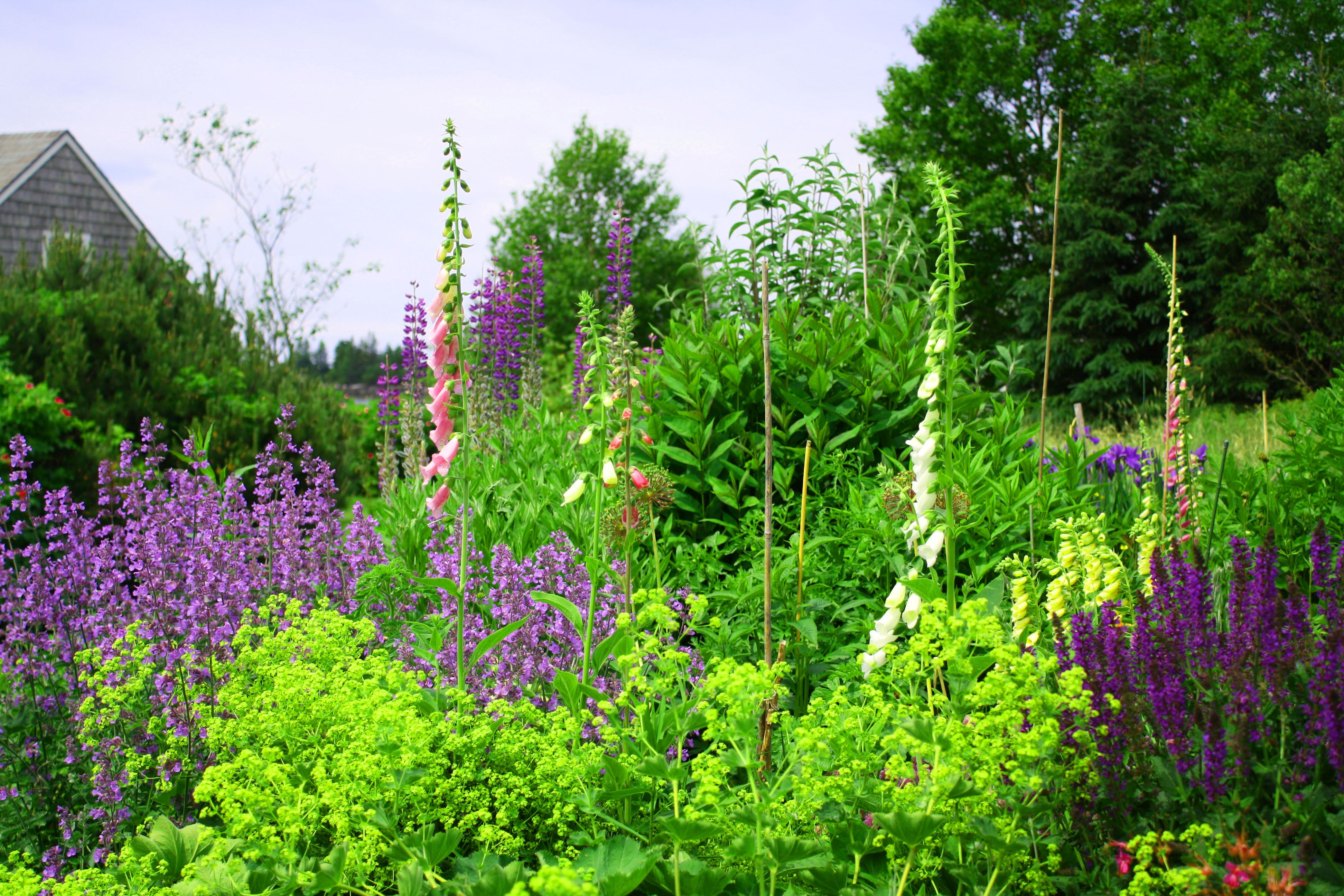
Benefits of Low-Maintenance Designs
Designing with sustainability in mind often involves choosing plants and materials that work harmoniously with the environment. By focusing on low-maintenance options, homeowners can enjoy lush gardens without the need for constant care.
Myth: Eco-Friendly Landscapes Lack Aesthetic Appeal
Another misconception is that sustainable landscapes are less attractive. In reality, eco-friendly designs can be both stunning and functional. By incorporating a variety of textures, colors, and plant species, homeowners can create visually appealing spaces that also benefit the environment.
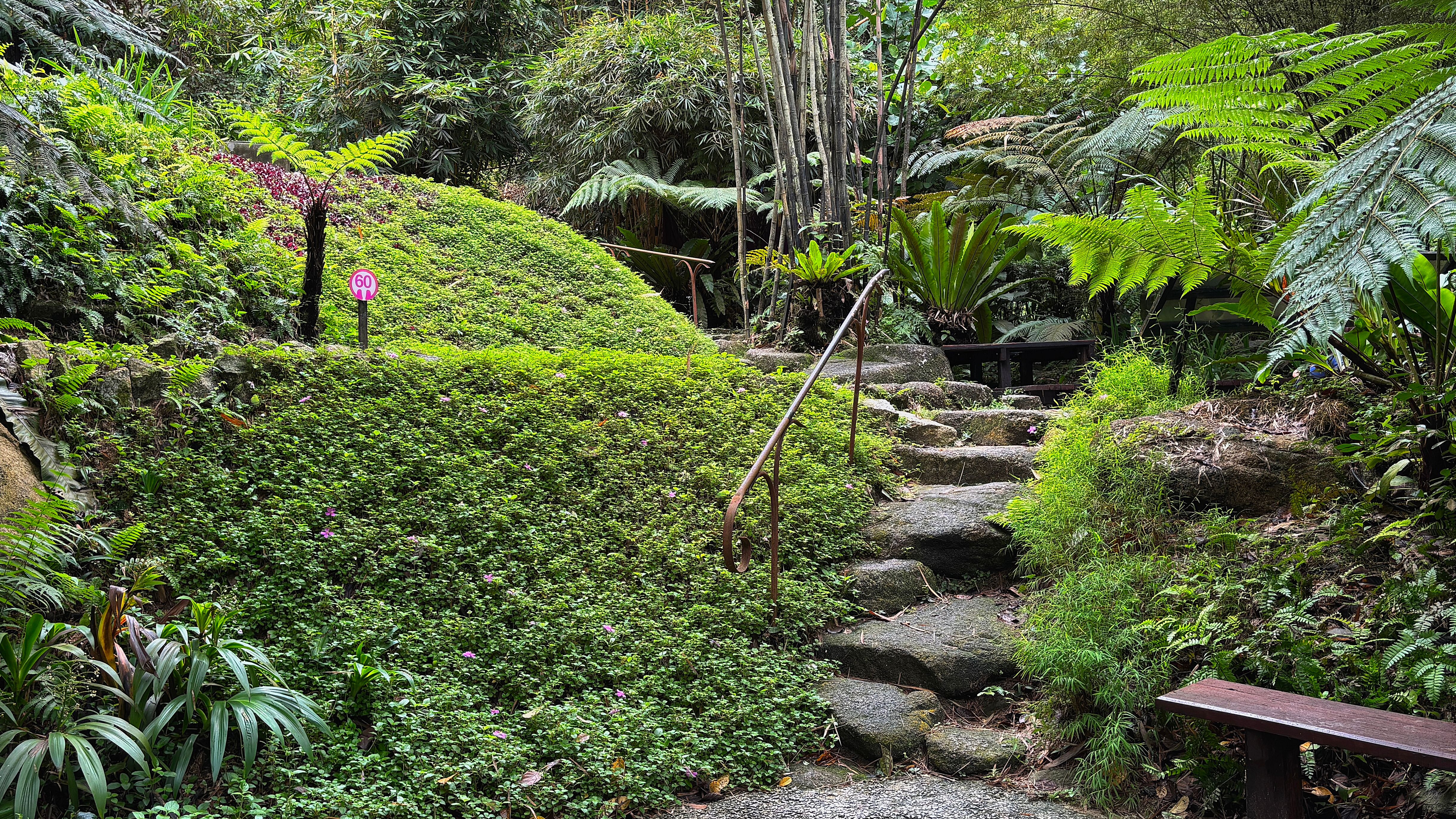
Incorporating elements such as rain gardens, permeable pathways, and living walls can add unique beauty while enhancing the garden's ecological value. The key is to find a balance between aesthetics and sustainability.
Conclusion: Embracing Eco-Friendly Practices
By debunking these common myths, we hope to encourage more people to consider eco-friendly landscaping. Embracing sustainable practices not only contributes to environmental conservation but also offers personal benefits such as reduced costs and maintenance. With thoughtful planning and design, anyone can create an outdoor space that is both beautiful and sustainable.