
Myth-Busting Common Lawn Care Misconceptions in Humid Climates


Understanding the Impact of Humidity
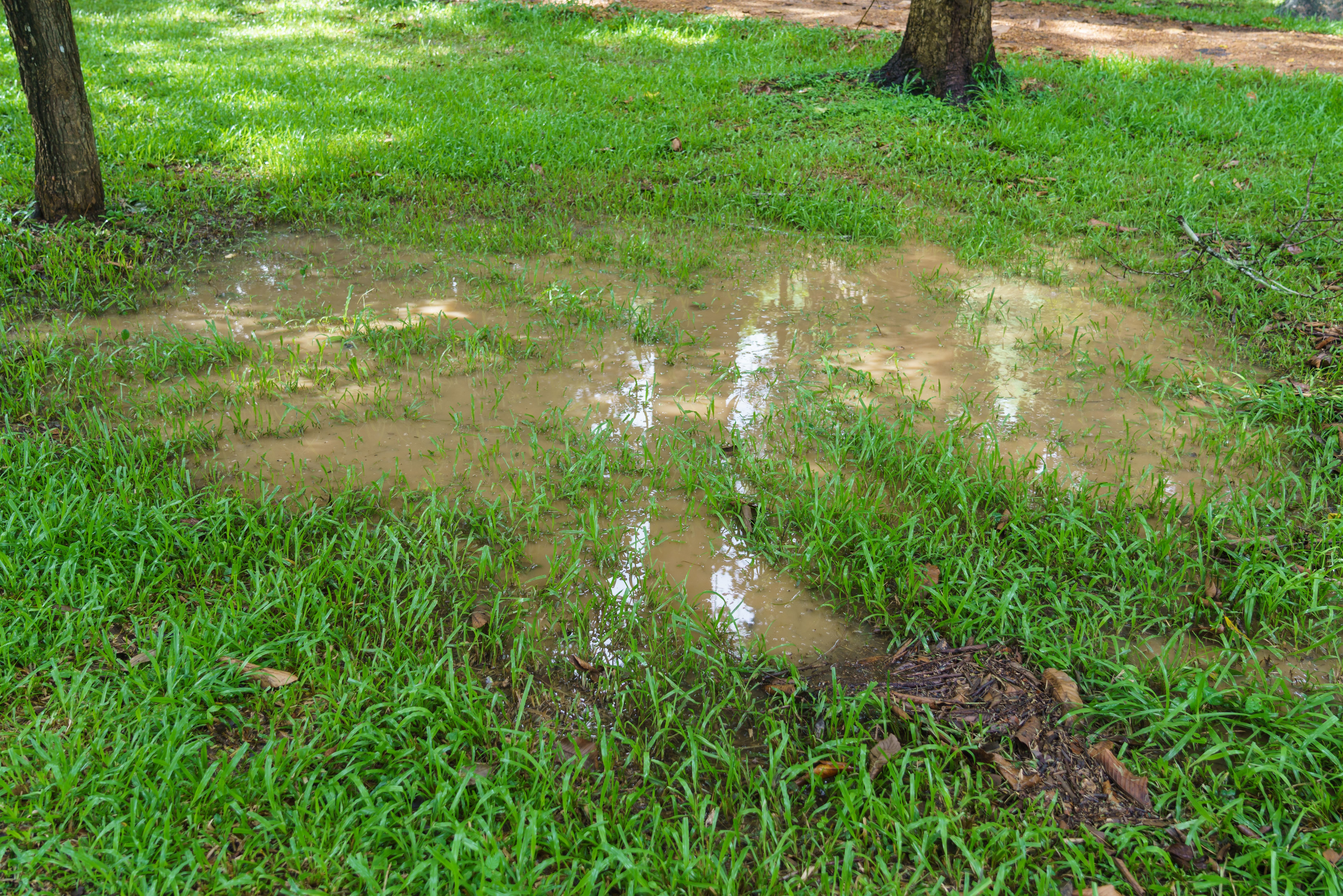
When it comes to lawn care, many homeowners in humid climates are often misled by common misconceptions. It's crucial to understand how humidity affects grass growth and overall lawn health. Humidity can lead to increased moisture, which in turn, affects the soil and plant life differently than in arid regions.
One prevalent myth is that more humidity means less watering is needed. While it's true that humidity can help retain moisture, regular watering is still essential. Grass roots need a consistent amount of water to grow deeply and healthily. Relying solely on humidity can lead to shallow root systems and weak turf.
The Truth About Fertilization
Another misconception is that fertilizing in humid climates should be done less frequently because the moisture will aid in nutrient absorption. In reality, the opposite can be true. High humidity can cause nutrients to leach away more quickly, meaning your lawn might need more frequent, balanced fertilization to thrive.
It's also important to choose the right type of fertilizer. Slow-release fertilizers are often more beneficial in these conditions as they provide a steady supply of nutrients over time, aligning with the natural growth patterns of grass in humid areas.

The Mowing Myth
Many believe that mowing the lawn shorter will help it stay healthy longer. This is a myth that can damage your lawn, especially in humid climates. Cutting grass too short stresses the plant, making it more susceptible to diseases and pests that thrive in moist environments.
Instead, mow at the recommended height for your grass type. This ensures the grass retains enough leaf surface for photosynthesis, promoting strong root growth and a healthier lawn.

Pest Control Misunderstandings
In humid climates, pests like grubs and fungi can become more prevalent. A common misconception is that more pesticides are needed to manage these pests effectively. However, overusing chemicals can harm beneficial organisms and the environment.
Integrated pest management strategies are more sustainable. This includes regular monitoring, maintaining healthy soil, and using natural predators or organic solutions when possible.
Debunking Aeration Assumptions
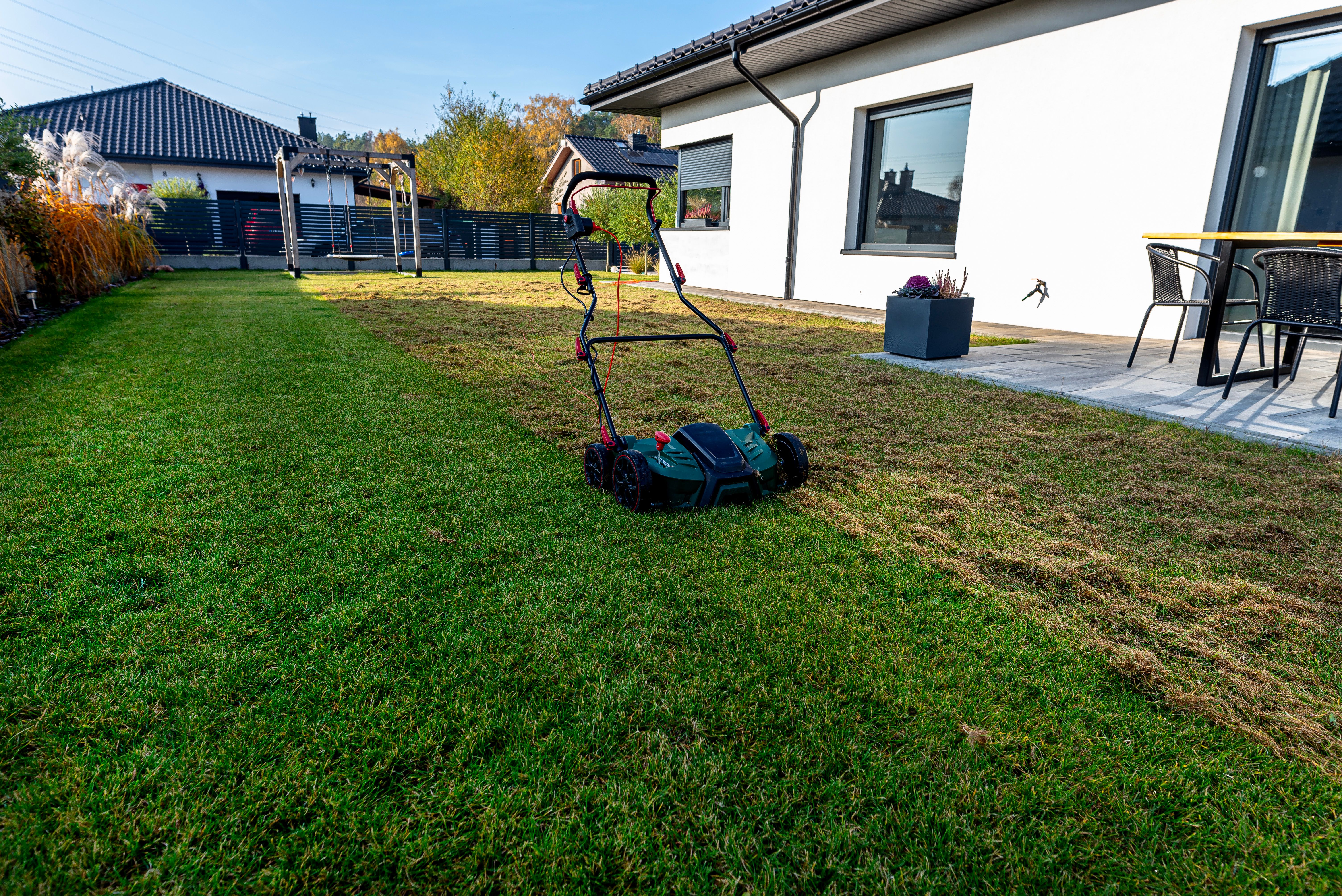
Some homeowners think that aeration is unnecessary in humid climates because the soil is naturally soft. However, aeration is crucial for breaking up compacted soil and allowing air, water, and nutrients to penetrate deeply.
Regular aeration can significantly improve the health and resilience of your lawn, preventing common issues associated with compacted soil, such as poor drainage and root growth inhibition.
Conclusion
Understanding and debunking these common lawn care misconceptions can lead to a healthier, more vibrant lawn. By adapting your lawn care practices to the realities of humid climates, you can ensure your grass thrives year-round. Remember, informed decisions and consistent care are the keys to a beautiful lawn.