
Preparing Your Florida Garden for Storm Season: Essential Tips


Understanding the Risks
Living in Florida means being prepared for storm season, which typically runs from June to November. During this time, your garden faces potential threats from high winds, heavy rain, and flooding. By understanding these risks, you can take proactive steps to protect your plants, trees, and outdoor spaces.

Secure Loose Items
One of the first things you should do is secure any loose items in your garden. This includes garden furniture, pots, and tools that could become dangerous projectiles during a storm. Consider storing them in a shed or garage until the threat has passed.
Prune Your Trees and Shrubs
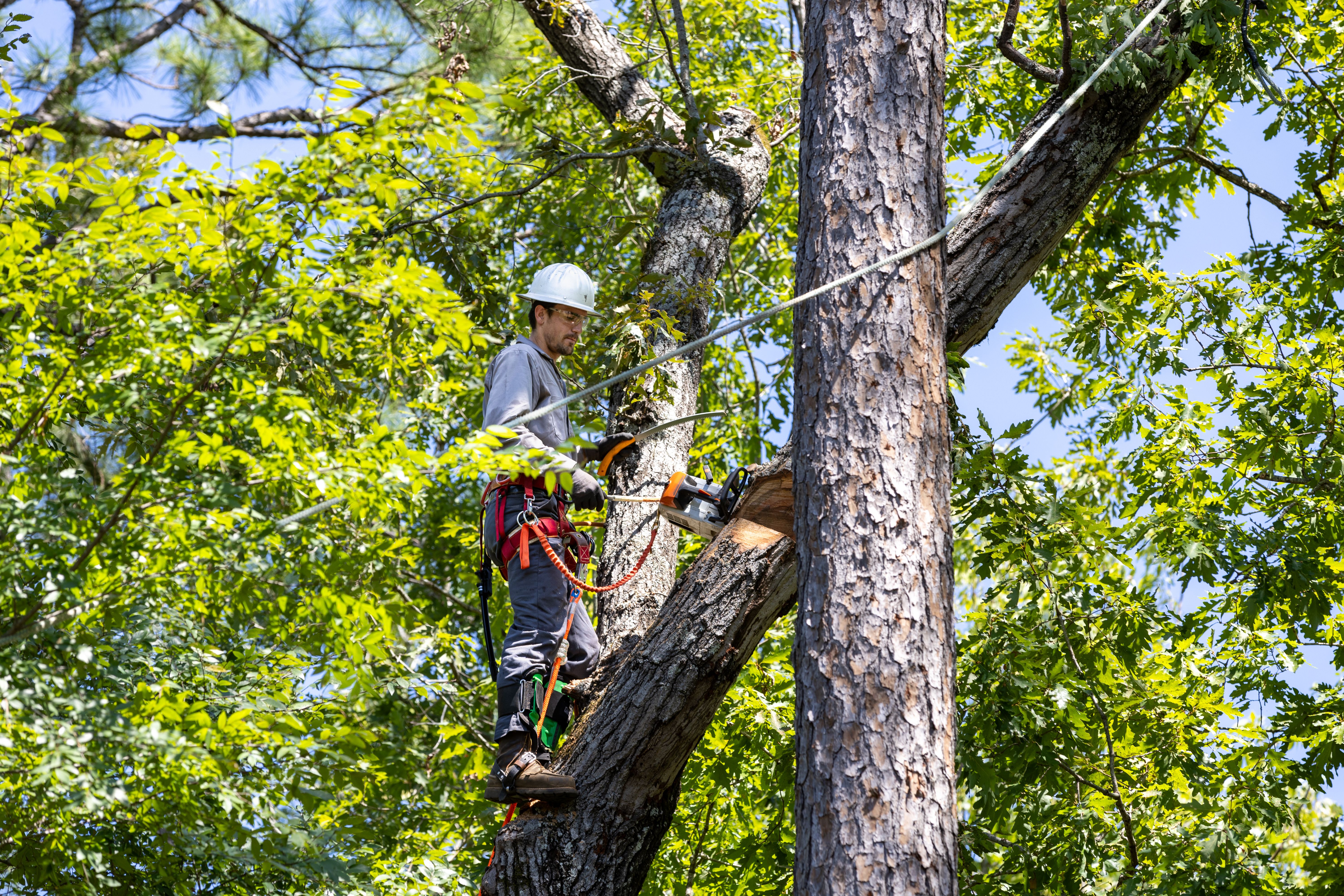
Regularly pruning your trees and shrubs can significantly reduce the risk of damage during a storm. Remove any dead or weak branches that could easily break off in high winds. This not only protects your plants but also minimizes potential damage to your property.
Protecting Your Plants
It's essential to protect your plants from the harsh conditions of a storm. Consider using burlap or frost cloth to cover delicate plants, providing a layer of protection against strong winds and heavy rain. Secure these coverings with stakes to ensure they stay in place.
Improve Drainage
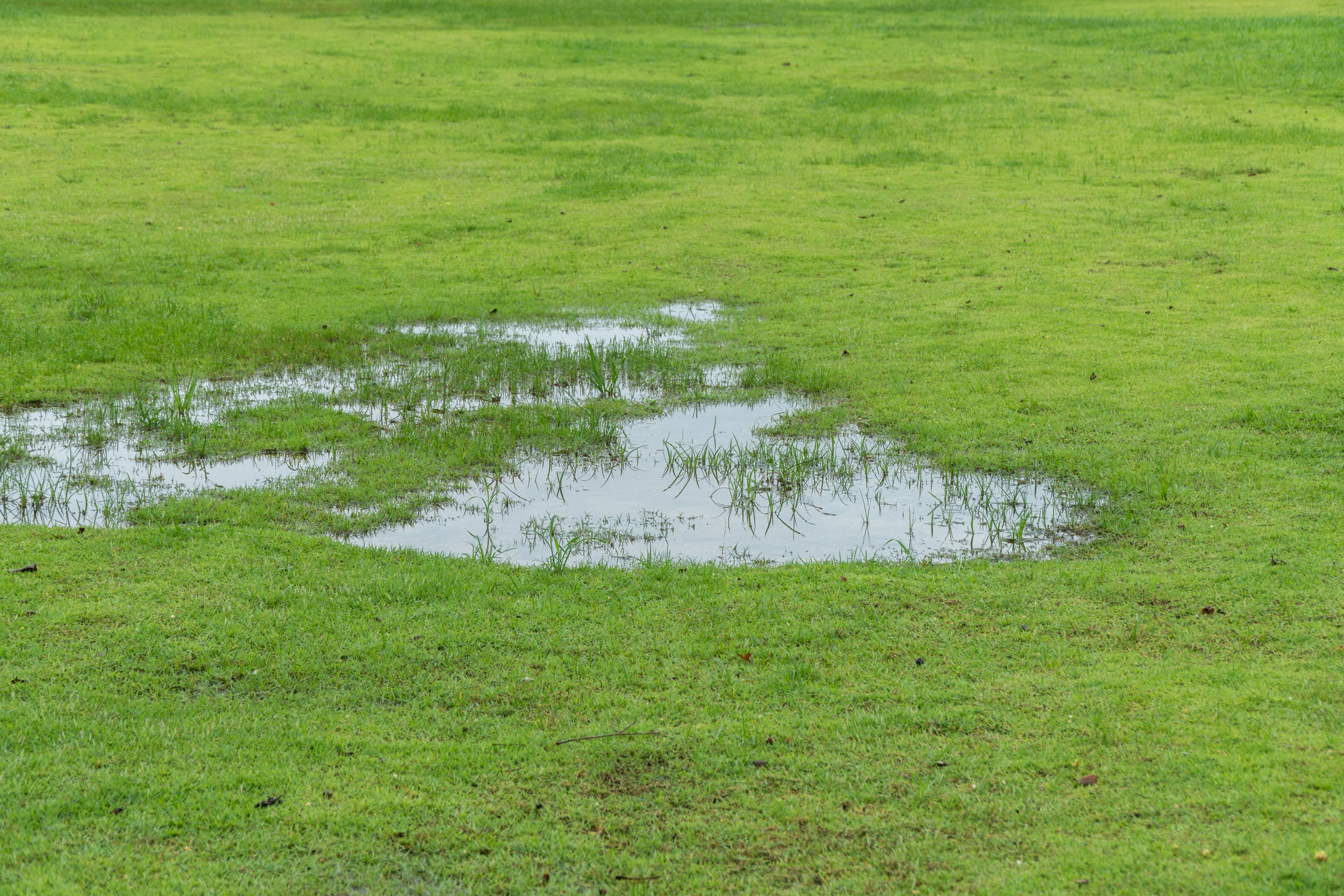
Heavy rains can lead to waterlogged soil, which can harm your plants. Ensure your garden has proper drainage by checking that gutters are clear and downspouts direct water away from plant beds. You might also consider installing a rain garden to help manage excess water.
Preparing for Flooding
Flooding is a common concern during storm season. Elevate potted plants to protect them from rising waters. For garden beds, consider creating raised beds to help keep plant roots above flood levels.
Use Mulch Wisely
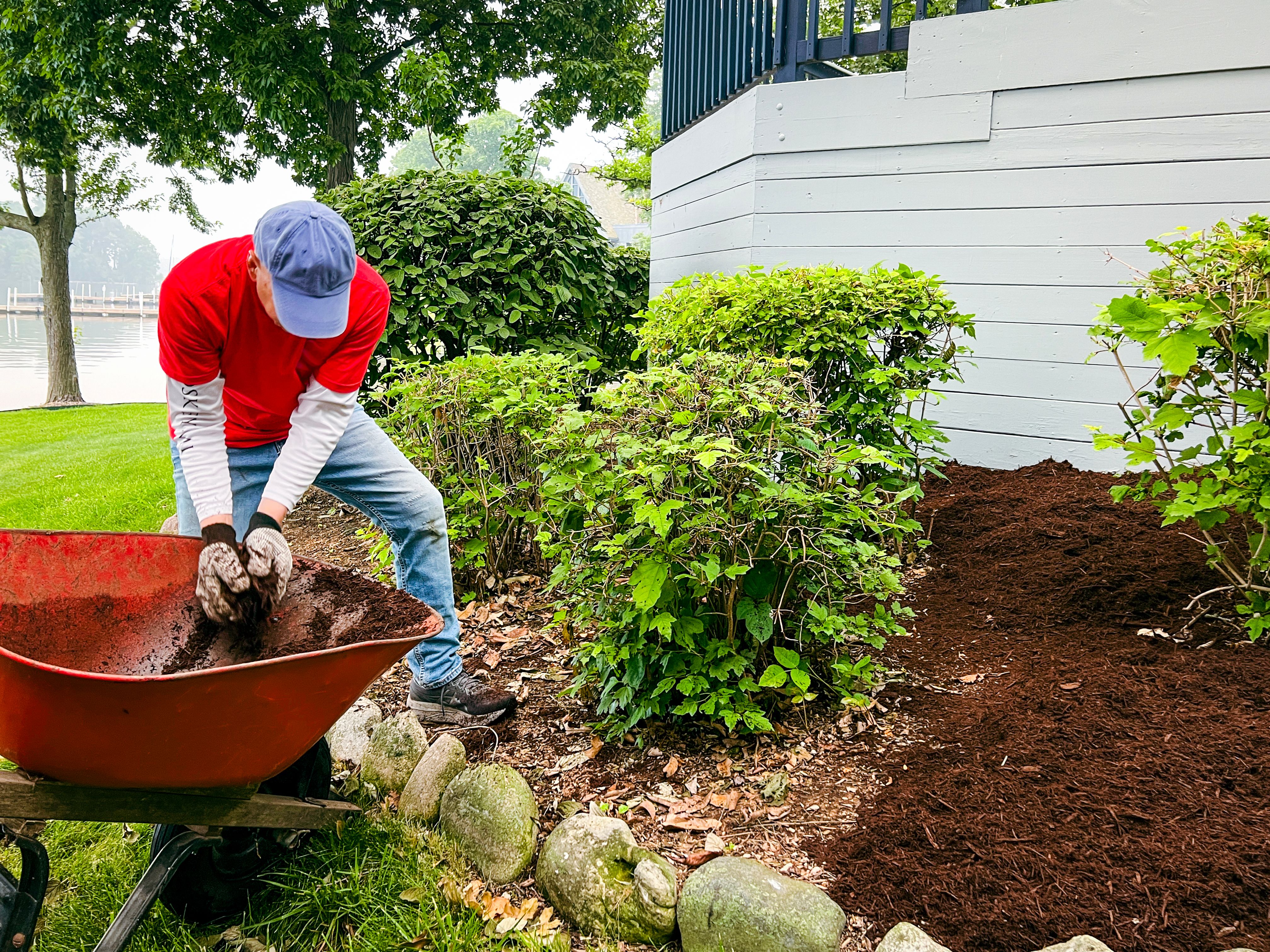
Mulch can be beneficial in retaining soil moisture; however, during storm season, it's important to use it wisely. Avoid thick layers of mulch, as they can float away during heavy rains. Instead, apply a thin layer to help maintain soil structure without risking loss.
Post-Storm Recovery
After a storm, assess the damage to your garden. Remove any broken branches and debris. If plants are uprooted, replant them as soon as possible to give them the best chance of survival. Monitor the garden in the following weeks for any signs of stress or disease.
Plan for the Future
Each storm season provides valuable lessons. Take note of what worked well and what could be improved for next year. Consider investing in more storm-resistant plant varieties and continue to strengthen your garden's resilience against future storms.