
Top Sustainable Landscaping Trends for Your Melbourne Home


Embrace Native Plantings
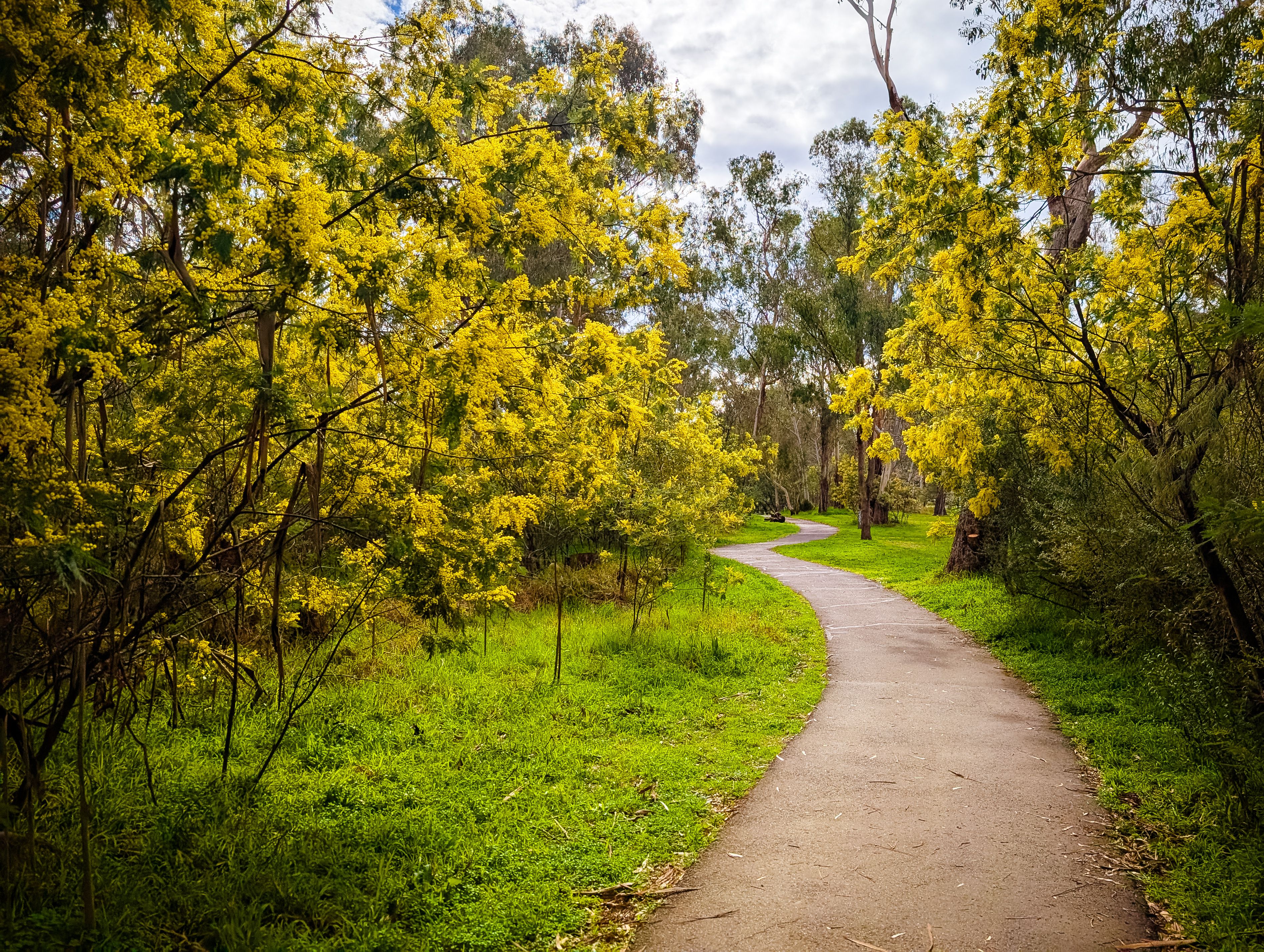
One of the top sustainable landscaping trends in Melbourne is incorporating native plantings. Using plants that are indigenous to the area not only enhances the natural beauty of your garden but also supports local ecosystems. Native plants are adapted to the local climate, requiring less water and maintenance than non-native species.
Consider adding a variety of native shrubs, grasses, and flowers to your garden to create a vibrant and sustainable landscape. This approach will attract local wildlife, including birds and beneficial insects, contributing to a balanced ecosystem.
Water-Wise Gardening
With increasing concerns about water conservation, water-wise gardening has become a significant trend. Implementing efficient irrigation systems and choosing drought-tolerant plants can drastically reduce water usage. Drip irrigation and smart watering systems are excellent options for ensuring your garden receives the right amount of moisture without waste.
In addition, consider incorporating rainwater harvesting systems. Collecting rainwater allows you to make use of natural resources, further enhancing your garden’s sustainability.
Eco-Friendly Hardscaping
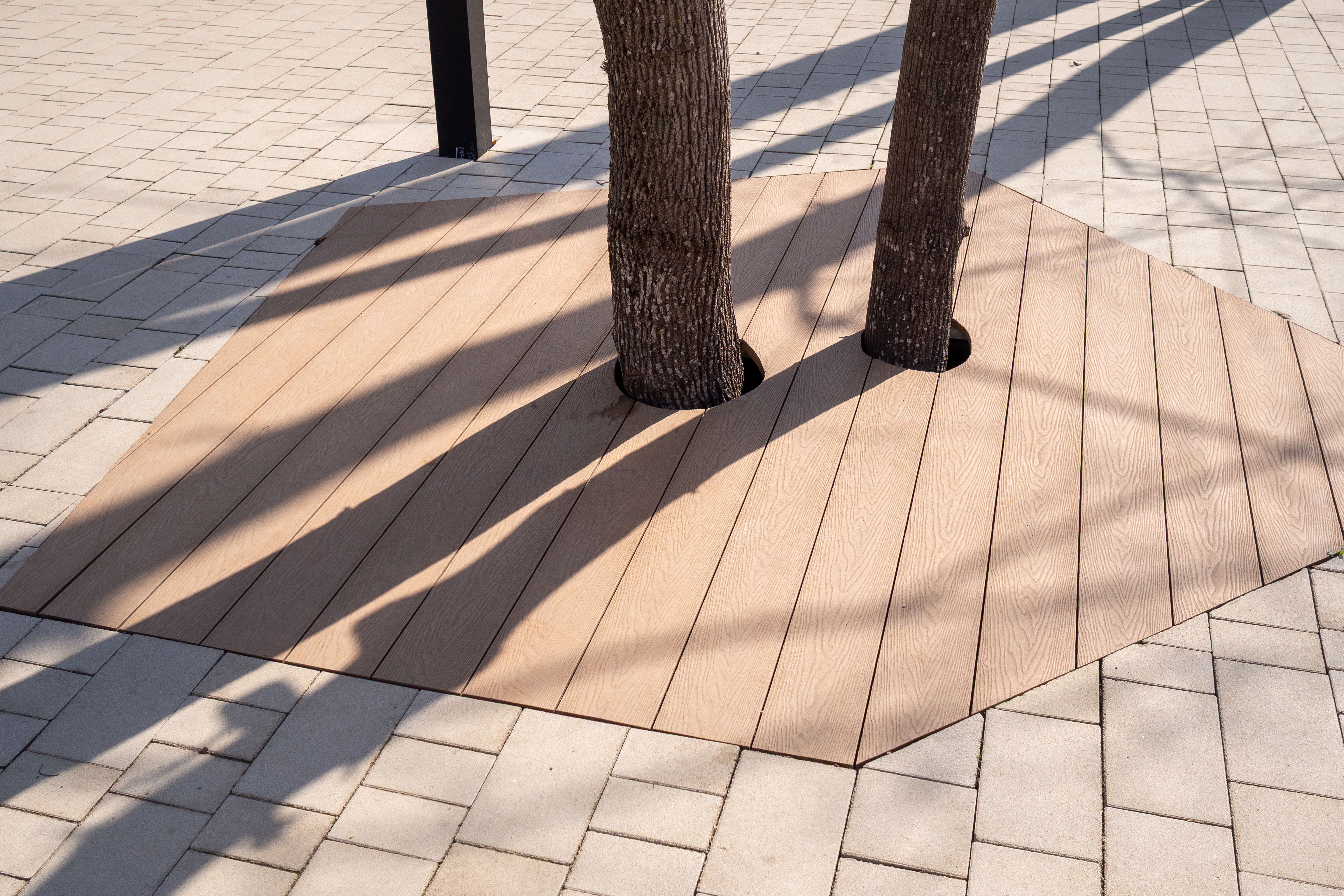
Hardscaping elements such as paths, patios, and retaining walls are essential components of any garden design. Opt for eco-friendly materials like recycled bricks, permeable pavers, or sustainably sourced timber. These materials minimize environmental impact while providing a stylish look to your outdoor space.
Using permeable materials also helps manage stormwater runoff and reduces the urban heat island effect, making your garden more sustainable.
Edible Landscaping
Combining aesthetics with functionality, edible landscaping is a trend that continues to grow in popularity. Integrating fruit trees, vegetable patches, and herb gardens into your landscape design not only provides fresh produce but also enhances the biodiversity of your garden.
You can create visually appealing designs by mixing edible plants with ornamental varieties. This approach ensures your garden is both beautiful and productive.
Vertical Gardens and Green Walls
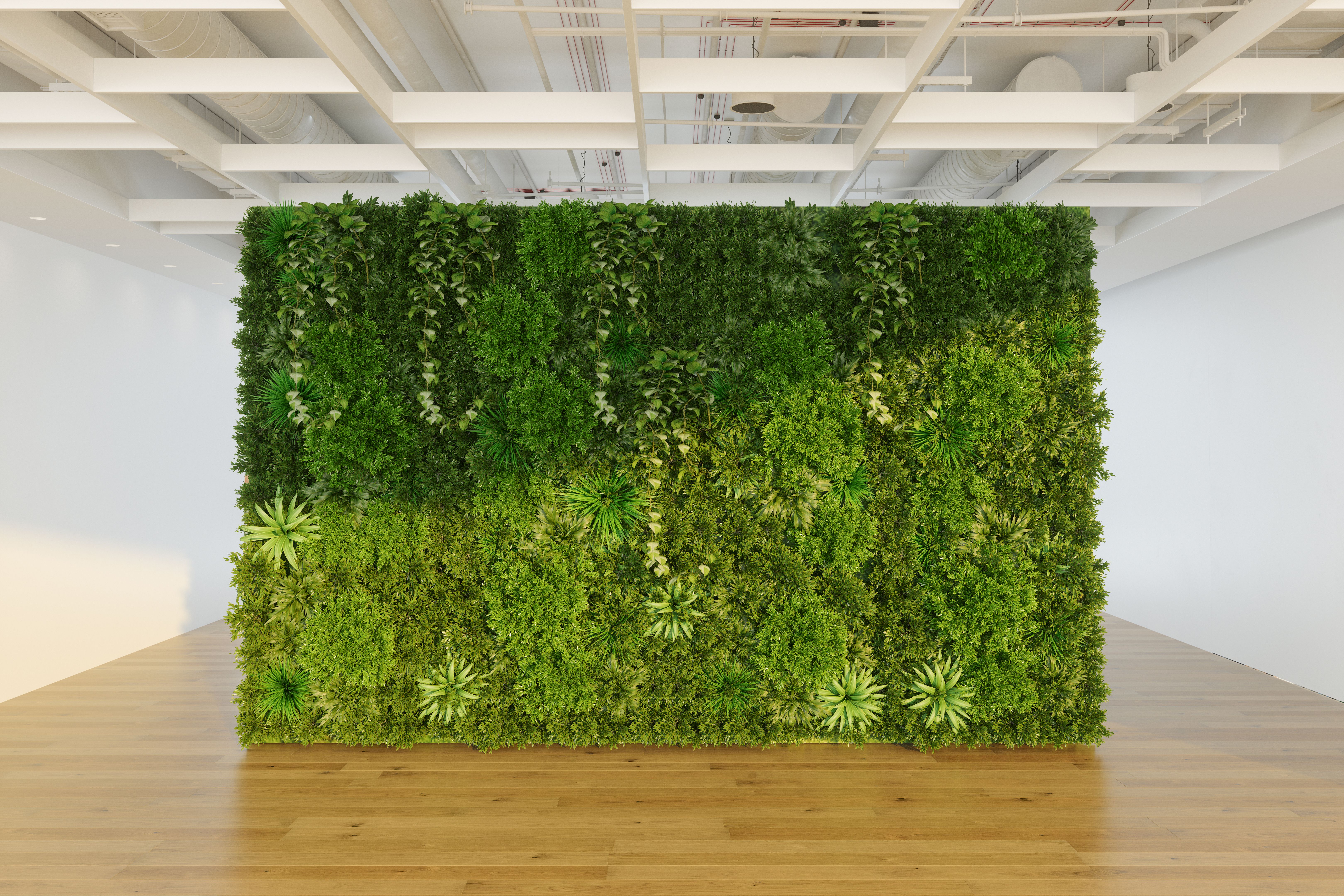
For those with limited space, vertical gardens and green walls offer a practical solution. These installations maximize space by allowing plants to grow upwards, making them ideal for urban settings. Vertical gardens can improve air quality, provide insulation, and add a lush, green aesthetic to your home.
Low-Maintenance Lawns
Traditional lawns can be resource-intensive, requiring regular watering, mowing, and fertilizing. A shift towards low-maintenance alternatives is gaining traction. Consider replacing traditional grass with ground covers like clover or native grasses that require less upkeep.
Alternatively, you can reduce the size of your lawn by expanding garden beds or incorporating more hardscaping elements, thereby decreasing water usage and maintenance efforts.
Wildlife-Friendly Features
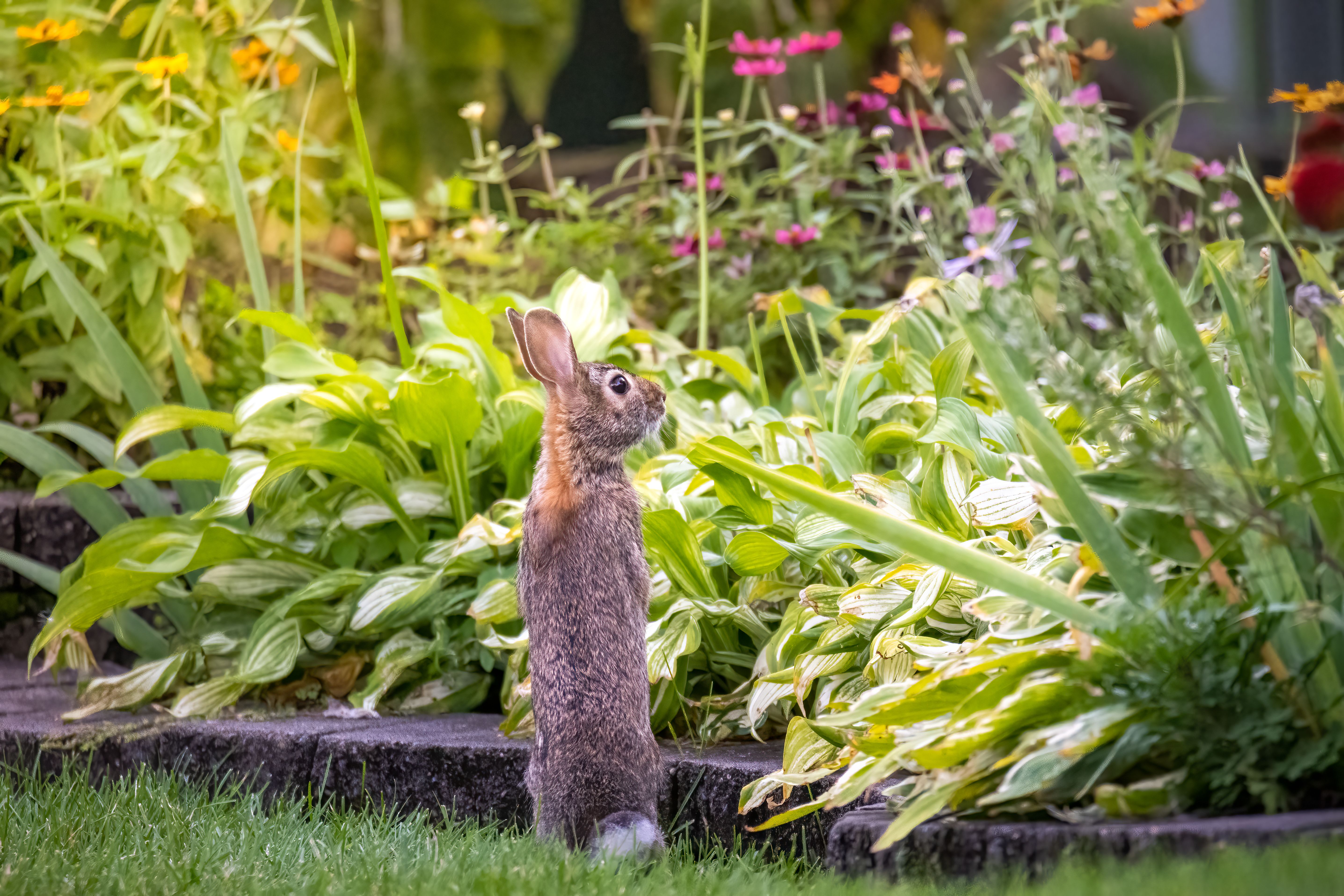
Creating a wildlife-friendly garden is a rewarding trend that benefits the environment. Incorporate bird baths, bee hotels, and insect-friendly plants to attract and support local fauna. These features not only enhance biodiversity but also create a lively and dynamic garden space.
Sustainable Garden Practices
Finally, embrace sustainable garden practices such as composting and mulching. Composting kitchen and garden waste reduces landfill contributions and enriches your soil. Mulching, on the other hand, helps retain moisture, suppress weeds, and improve soil health.
By adopting these practices, you contribute to a healthier environment while maintaining a beautiful and sustainable garden.